What Every NYC Renter Should Know About Mold
Mold is a common issue in New York City apartments, especially in older buildings, basement units, and homes with poor ventilation. Knowing how to spot mold, understand your rights, and respond quickly can help protect both your health and your living space.
Why Mold Is So Common in NYC
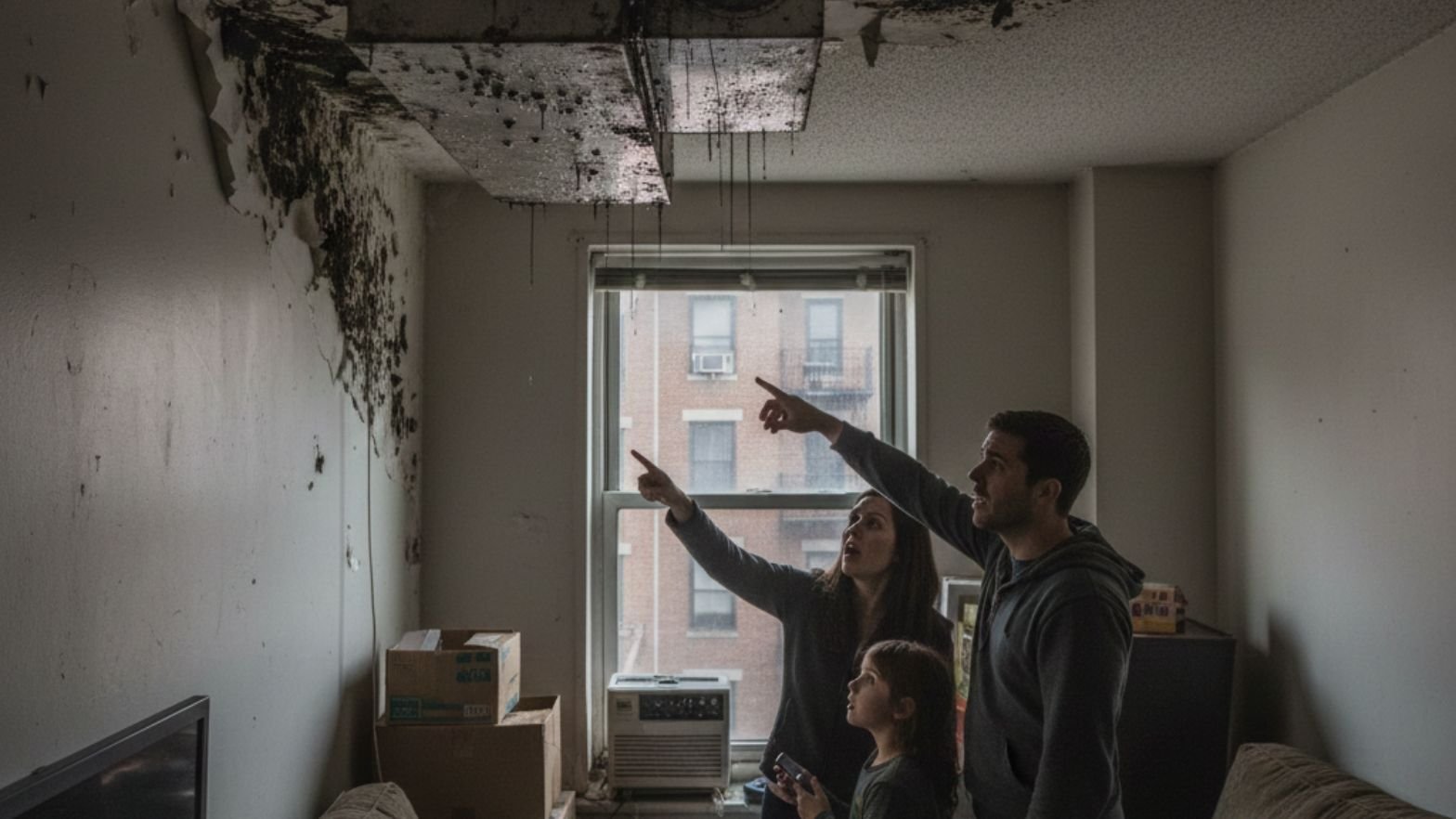
New York City's dense housing stock, aging infrastructure, humid summers, and occasional plumbing problems create ideal conditions for mold growth. Mold thrives in damp environments and can appear after leaks, flooding, condensation, or persistent humidity.
Common places where mold develops include:
- Bathroom walls and ceilings
- Around windows and air conditioners
- Under sinks
- Behind furniture placed against exterior walls
- Basements and storage areas
- Areas affected by roof or pipe leaks
Signs You May Have a Mold Problem
Not all mold is immediately visible. Watch for:
- Musty or earthy odors
- Dark spots on walls, ceilings, or grout
- Peeling paint or bubbling wallpaper
- Water stains
- Persistent dampness
- Increased allergy-like symptoms indoors
Potential Health Effects
Exposure to mold can affect people differently. Some renters may experience:
- Nasal congestion
- Coughing or wheezing
- Eye, nose, or throat irritation
- Skin irritation
- Worsening asthma symptoms
People with allergies, asthma, weakened immune systems, and young children may be more sensitive to mold exposure.
What To Do If You Find Mold
- Document the issue.
- Take photos and videos.
- Note when you first noticed the problem.
- Notify your landlord promptly.
- Report the issue in writing whenever possible.
- Keep copies of emails, texts, or letters.
- Identify the source of moisture.
- Mold often returns unless the leak, condensation, or humidity problem is fixed.
- Avoid disturbing large mold areas.
- Scrubbing or removing mold without proper precautions can spread spores.
Understanding Your Rights as a Tenant
In New York City, landlords generally have a responsibility to maintain safe and habitable living conditions. When mold results from building conditions such as leaks, water intrusion, or inadequate maintenance, landlords are typically expected to address both the mold and its underlying cause.
Tenants should report issues as soon as they become aware of them and maintain records of all communications and repair requests.
Preventing Mold in Your Apartment
While not all mold problems are preventable, renters can reduce risk by:
- Running bathroom exhaust fans when available
- Opening windows when weather permits
- Using a dehumidifier in damp rooms
- Promptly reporting leaks
- Avoiding blocking air circulation with large furniture
- Cleaning condensation from windows and surfaces
The Bottom Line
Mold is more than a cosmetic issue—it often signals an underlying moisture problem that needs attention. Early detection, proper documentation, and prompt communication with your landlord can help prevent minor mold growth from becoming a larger health and housing concern.