Lead-based paint can pose serious health and safety concerns, particularly in older buildings where painted surfaces may have deteriorated over time. Lead abatement services are designed to permanently address lead hazards and help property owners maintain safer living and working environments. Below are some frequently asked questions about lead abatement services.
What Is Lead Abatement?
Lead abatement is the process of permanently eliminating, reducing, or controlling lead-based paint hazards in a property. Depending on the condition and location of the lead hazard, abatement may involve removing contaminated materials, enclosing affected surfaces, replacing components, or using other approved methods.
When Is Lead Abatement Necessary?
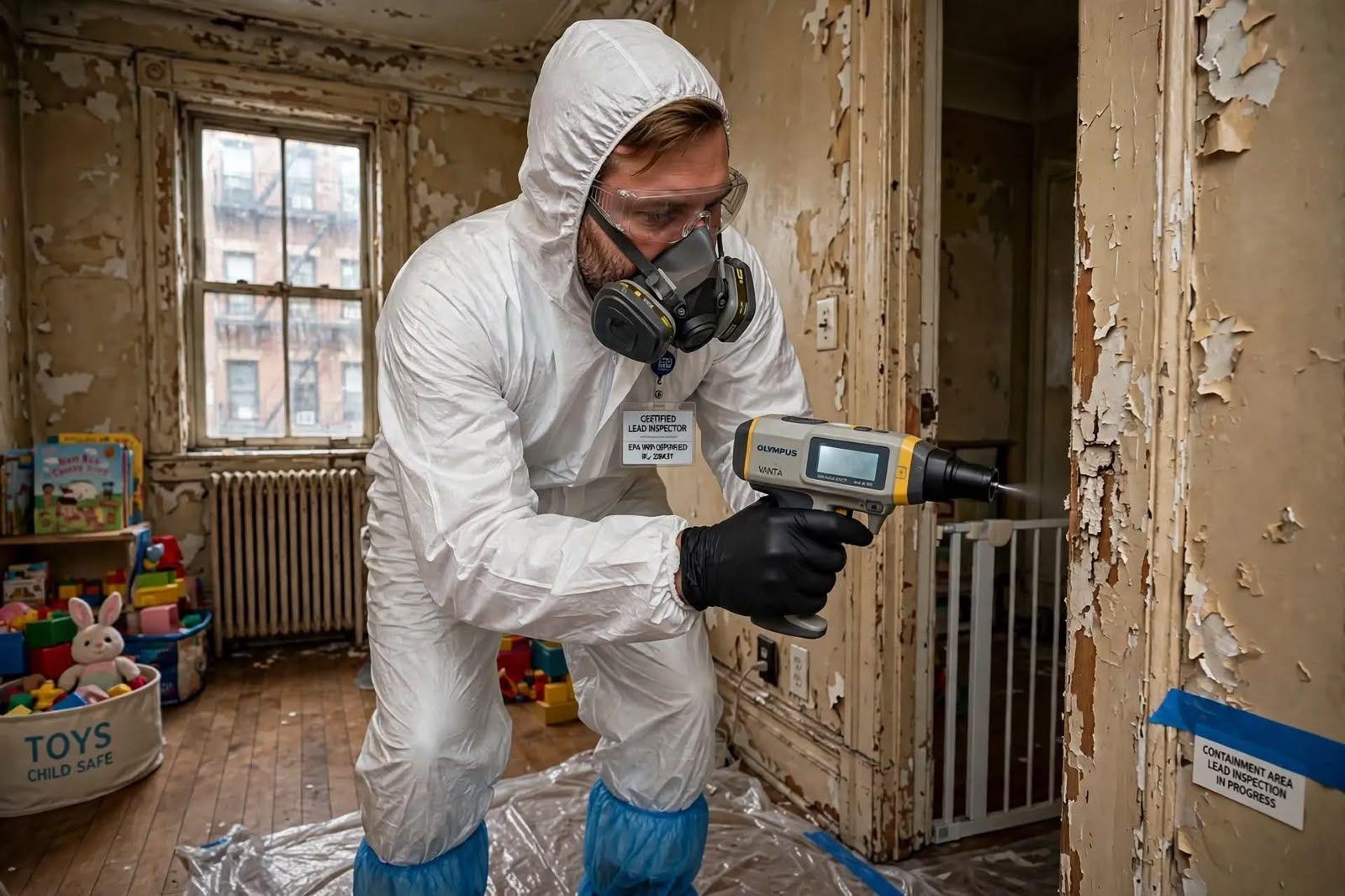
Lead abatement may be necessary when lead-based paint hazards are identified, particularly when paint is peeling, chipping, cracking, or creating lead dust. In NYC, certain residential buildings are subject to specific lead-based paint requirements, so property owners should understand the applicable regulations and compliance obligations.
How Is Lead Abatement Different From Lead Remediation?
Lead abatement generally refers to permanent measures intended to address a lead hazard, while remediation can be a broader term for actions taken to clean up or control contamination. The appropriate approach depends on the property's condition, the location of the lead hazard, and applicable regulations.
Who Should Perform Lead Abatement Work?
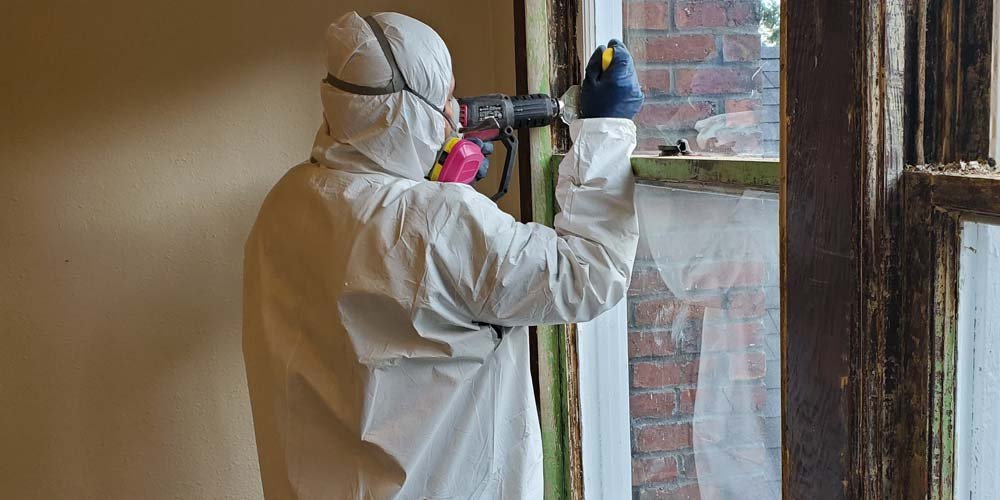
Lead abatement should be performed by appropriately trained and certified professionals. Qualified contractors understand proper containment, worker protection, cleanup, and documentation procedures, helping reduce the risk of spreading lead dust during the work.
How Long Does Lead Abatement Take?
The timeframe depends on the size of the affected area, the condition of the painted surfaces, the abatement method, and the extent of the work required. Smaller projects may be completed relatively quickly, while larger buildings or multiple affected areas may require more extensive planning and work.
Is Lead Abatement Required for Every Building?
No. Requirements vary depending on factors such as the building's age, occupancy, location, and the presence of lead-based paint hazards. NYC property owners should review the requirements that apply specifically to their buildings and maintain the necessary inspection and compliance records.
Why Is Professional Lead Abatement Important?
Improper handling of lead-based paint can create additional dust and contamination. Professional abatement helps ensure that hazardous materials are handled using appropriate safety procedures and that the affected areas are properly contained and cleaned.
How Can Property Owners Prepare for Lead Abatement?
Owners should begin by identifying potential lead hazards through appropriate inspections or testing. Once hazards are confirmed, a qualified professional can recommend the appropriate abatement approach. Property owners should also maintain records of inspections, work performed, and clearance or compliance documentation when required.
Protect Your Property With Proper Lead Abatement
Lead abatement is an important part of maintaining a safe and compliant property. Understanding when abatement is necessary, choosing qualified professionals, and addressing hazards promptly can help reduce exposure risks and prevent more serious problems. For buildings subject to NYC lead regulations, staying proactive with inspections, maintenance, and documentation can also help property owners avoid unnecessary violations and penalties.