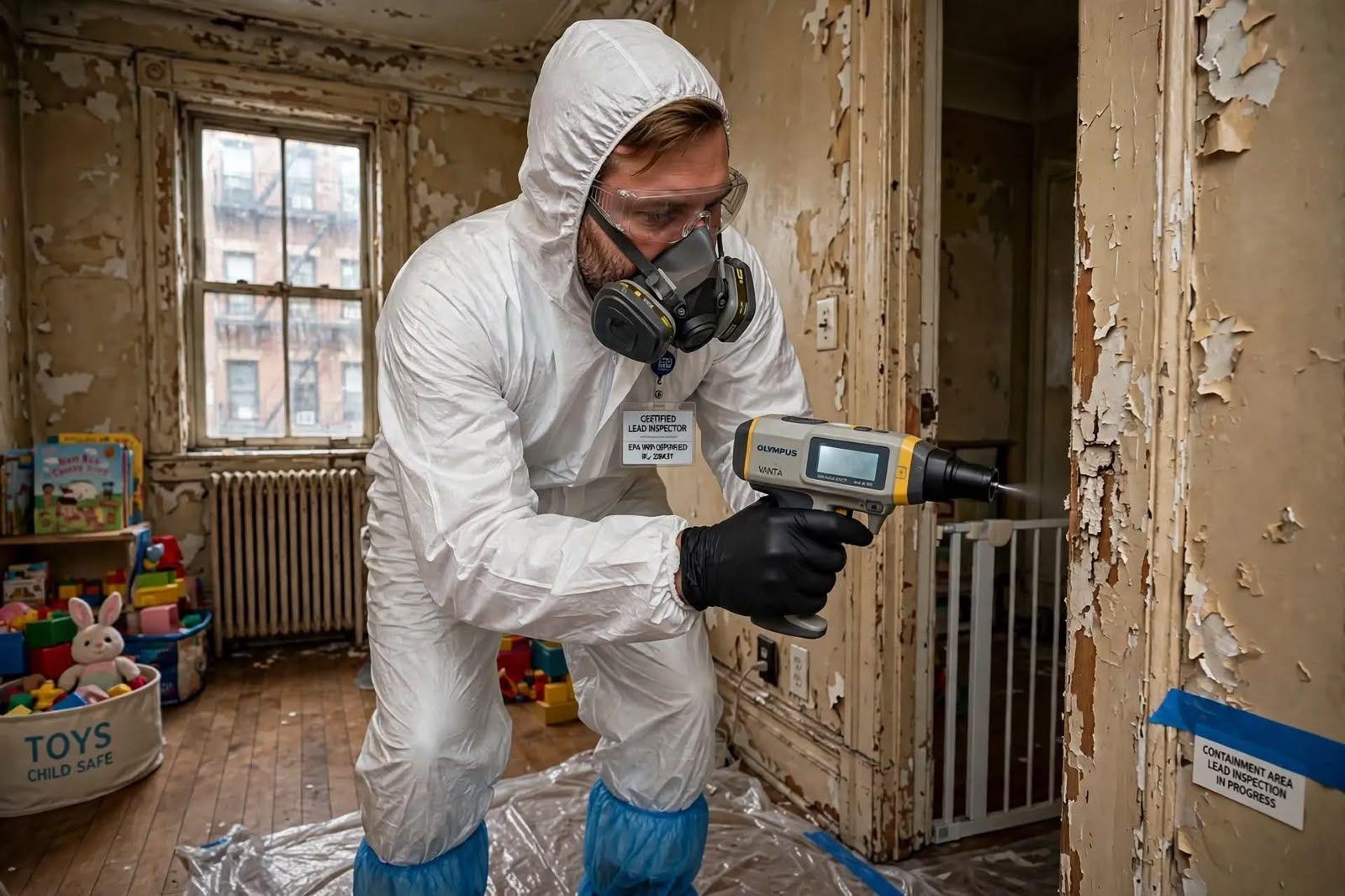
Lead-based paint remains one of the most serious health hazards in older buildings, particularly in properties built before 1978. While peeling paint or contaminated dust may seem like minor issues, exposure to lead can have long-lasting health effects, especially for young children and pregnant women. This is why hiring a certified lead abatement contractor is essential when addressing lead hazards in residential, commercial, and multifamily properties.
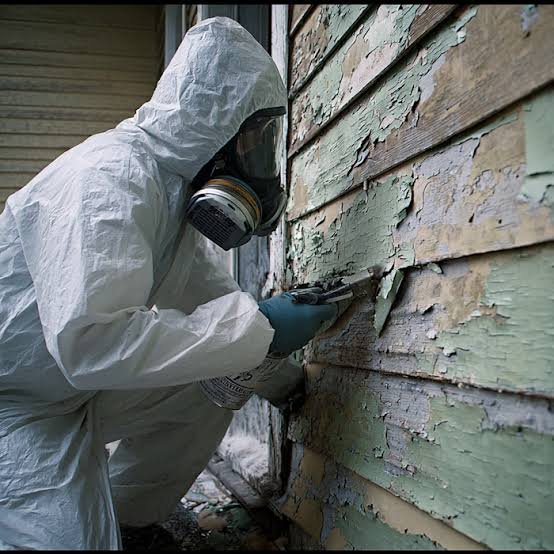
Certified lead abatement contractors are trained to safely identify, contain, and remove lead-based paint hazards while following strict federal, state, and local regulations. Unlike general contractors, certified professionals understand the specialized procedures required to prevent lead dust from spreading during renovation or abatement work. They use approved containment methods, specialized equipment, and proper disposal techniques to protect building occupants and workers alike.
Another major advantage of working with certified contractors is regulatory compliance. In areas with strict lead safety requirements, such as New York City, property owners must meet specific inspection, documentation, and remediation standards. Hiring a certified contractor helps ensure that all work complies with applicable regulations, reducing the risk of violations, fines, project delays, and potential legal liability.
Certified professionals also provide accurate documentation throughout the abatement process. This often includes work plans, clearance testing, waste disposal records, and final reports that demonstrate the hazard has been properly addressed. These records can be invaluable during property sales, insurance claims, tenant disputes, or government compliance audits.
Beyond compliance, certified lead abatement contractors help protect the long-term value of your property. Properly completed abatement work creates a safer living environment, minimizes future maintenance issues related to lead hazards, and increases confidence among tenants, buyers, and property managers. Investing in qualified professionals today can help prevent costly health claims and expensive remediation work later.
Choosing the right contractor is equally important. Property owners should verify certifications, ask about previous lead abatement projects, confirm insurance coverage, and ensure the contractor follows all required safety protocols. Working with an experienced and certified team provides peace of mind that the project will be completed safely, efficiently, and in accordance with all applicable standards.
Ultimately, lead abatement is not simply another renovation project—it is a critical public health measure. Certified lead abatement contractors possess the expertise, training, and regulatory knowledge needed to eliminate lead hazards safely while protecting both occupants and property owners. Their role is essential in creating healthier homes, maintaining compliance, and preserving the safety and value of buildings for years to come.