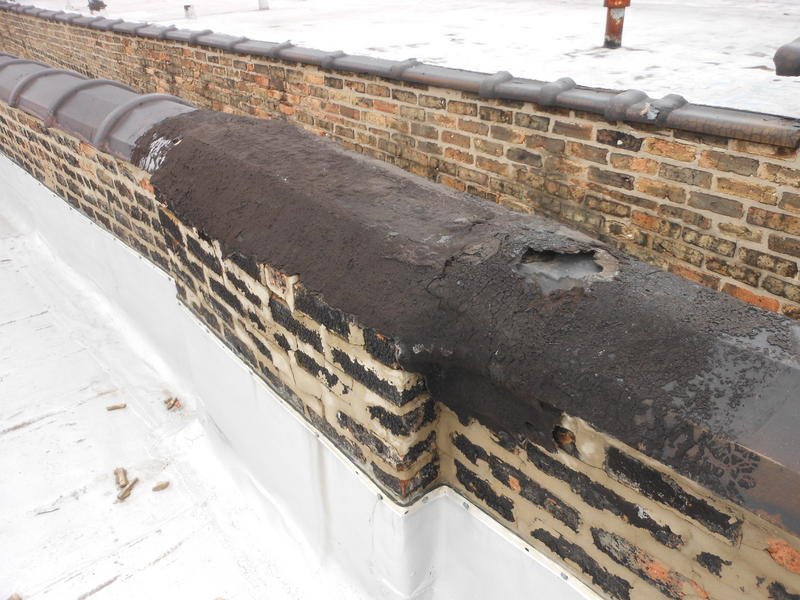
Parapet walls are exposed to harsh weather conditions year-round, making regular inspections important for maintaining building safety. In New York City, parapet inspections help identify deterioration, loose masonry, cracks, and other conditions that could create a hazard. But what happens when an inspector discovers an unsafe condition?
Identifying the Unsafe Condition
During an inspection, a qualified professional evaluates the parapet for visible signs of deterioration. Common unsafe conditions can include loose or displaced bricks, cracked masonry, deteriorated mortar joints, unstable coping stones, and other defects that could potentially cause materials to fall.
If an unsafe condition is identified, it should not be ignored. The property owner or responsible party may need to take immediate steps to protect occupants, pedestrians, and surrounding property.
Immediate Safety Measures
Depending on the severity and location of the defect, temporary safety measures may be necessary. These can include restricting access to the affected area, installing protective measures, or removing loose materials that present an immediate falling hazard.
The goal is to reduce the risk while permanent repairs are being planned and completed.
Repairs and Corrective Work
Once the unsafe condition has been documented, appropriate repairs must be performed. The type of repair depends on the cause and extent of the deterioration. Solutions may include repointing mortar joints, replacing damaged bricks or stones, repairing coping, addressing water infiltration, or rebuilding portions of the parapet.
More serious conditions may require additional evaluation by a qualified design professional to determine the appropriate repair approach.
Follow-Up and Compliance
After repairs are completed, additional documentation, inspection, or filing may be required depending on the applicable NYC requirements and the nature of the unsafe condition. Property owners should make sure that required corrective actions are properly documented and completed within the applicable timeframe.
Failing to address an unsafe parapet condition can lead to continued deterioration, potential safety hazards, and possible violations or penalties.
Stay Ahead of Parapet Problems
Finding an unsafe condition doesn't necessarily mean the entire parapet needs to be replaced. In many cases, timely repairs can correct localized problems and prevent more extensive deterioration.
Regular inspections, prompt repairs, and proper documentation can help NYC property owners maintain safer buildings while staying on top of their compliance responsibilities.