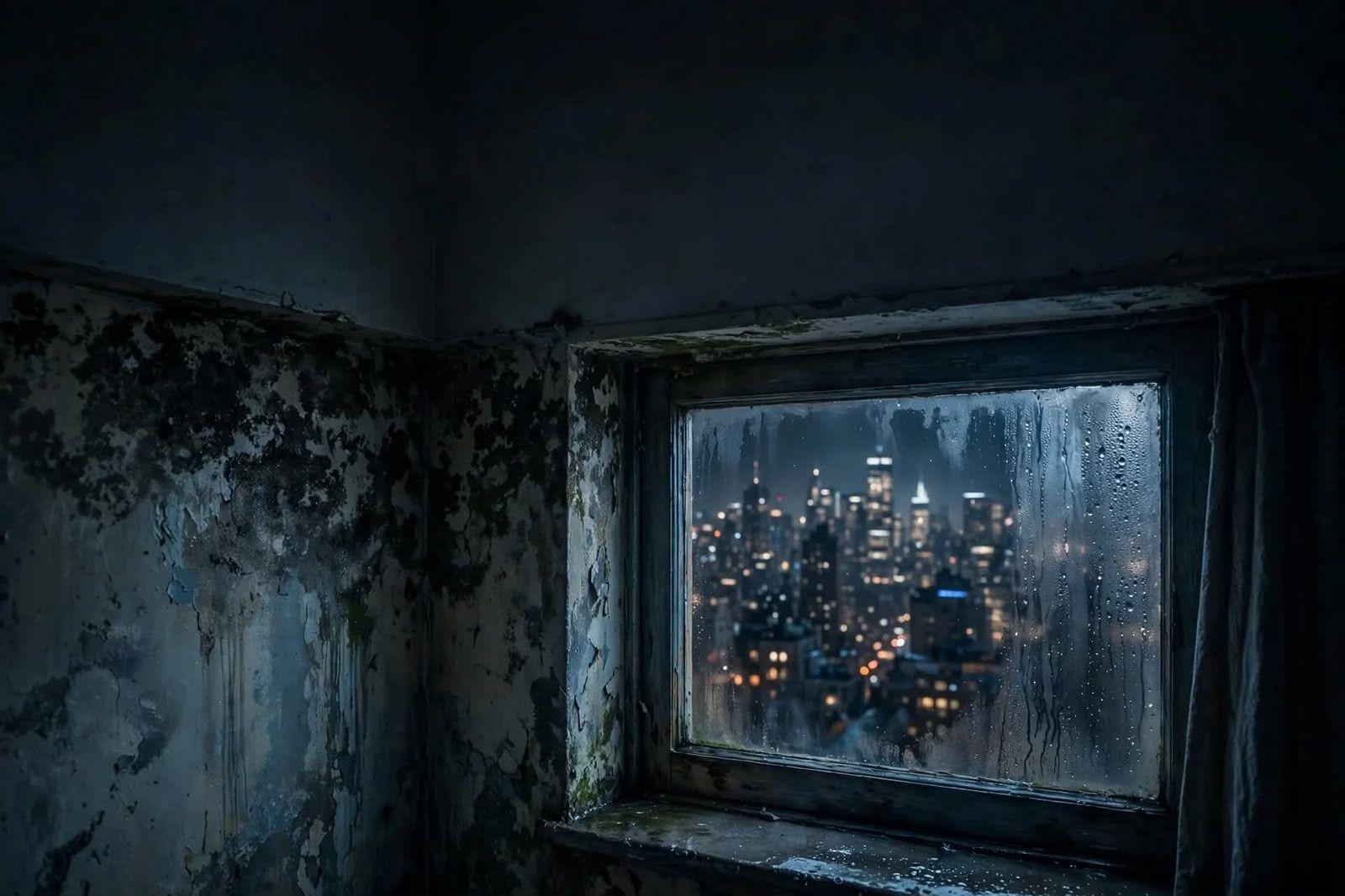
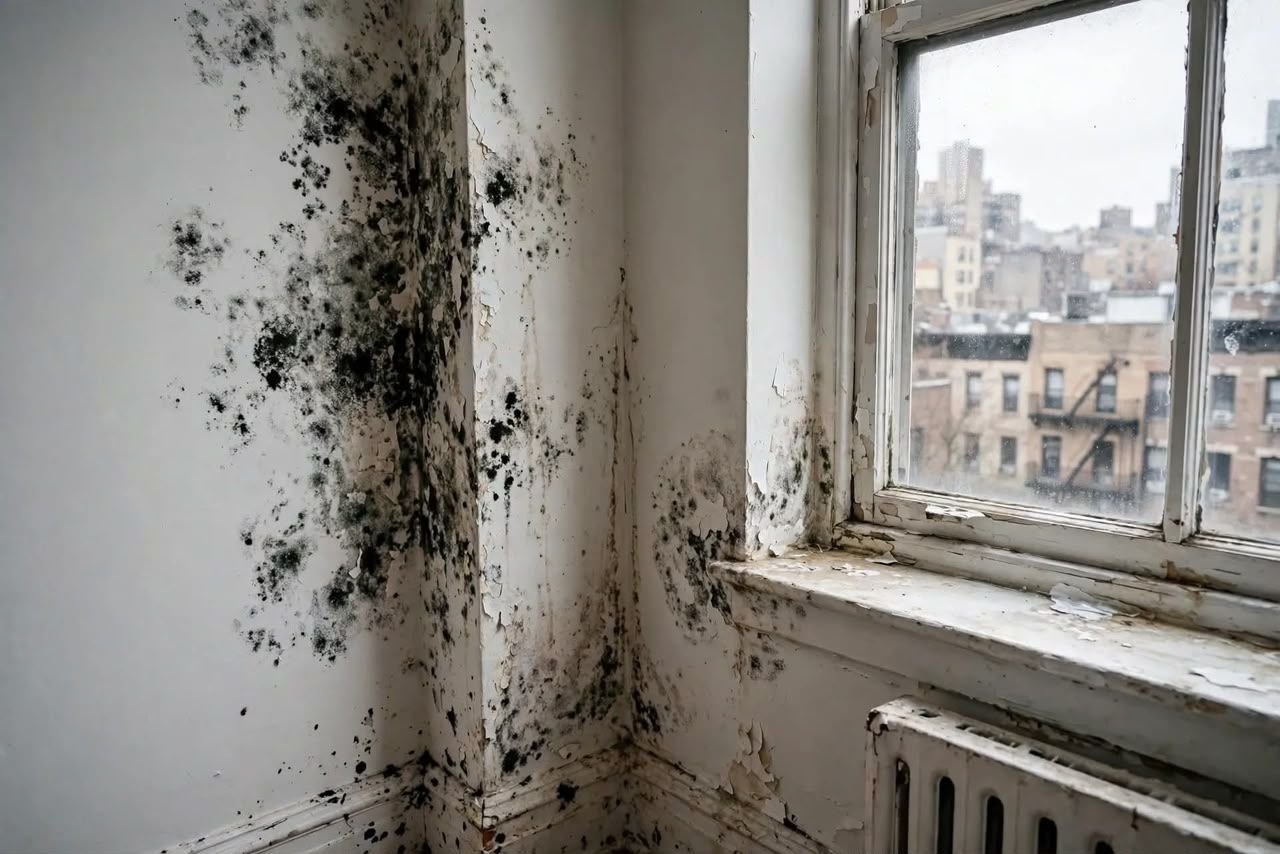
Mold can become a serious building maintenance issue in New York City, particularly when it is caused by leaks, water infiltration, plumbing problems, or other moisture conditions. NYC landlords have legal responsibilities to address mold and the underlying conditions that allow it to develop.
Under Local Law 55, owners of multiple dwellings are required to take reasonable measures to keep apartments free of indoor allergen hazards, including mold, and to address underlying defects that contribute to mold growth.
Landlords Must Address Mold and Its Cause
Simply cleaning visible mold may not be enough. If a leaking pipe, roof problem, defective masonry, or other moisture condition is causing the mold, the underlying problem must also be addressed.
NYC guidance specifically emphasizes removing moisture sources and repairing leaks or other conditions that contribute to mold growth.
Annual Mold Inspections
Owners of private buildings with three or more apartments have additional responsibilities under Local Law 55. They must inspect apartments and common areas for mold and other indoor allergen hazards at least once a year, and they must also respond to tenant complaints or requests for an inspection.
Vacant apartments must also be thoroughly cleaned and free of mold and pests before a new tenant moves in.
When Professional Mold Remediation Is Required
The size of the mold-affected area can determine what type of professional services are required.
For buildings with 10 or more apartments, when the area requiring remediation is more than 10 square feet, owners are required to use appropriately licensed mold assessment and remediation professionals. The assessment and remediation functions must be performed by separate licensed professionals.
These requirements are intended to ensure that larger mold conditions are assessed and remediated using appropriate procedures.
What Happens If a Landlord Does Not Fix the Problem?
NYC's Department of Housing Preservation and Development (HPD) can investigate mold complaints and issue violations when housing conditions do not comply with applicable requirements. Tenants can report unresolved mold conditions through 311.
Property owners should therefore respond promptly to reports of mold, investigate the source of moisture, and document the corrective work performed.
Protecting Your NYC Property
Mold prevention is not simply about removing what is visible. Property owners should identify and correct the underlying source of moisture while following applicable NYC and New York State requirements for assessment and remediation.
Maintaining inspection reports, photographs, repair records, and remediation documentation can also help demonstrate that the property is being properly maintained.
Environmental Safeguard Solutions can help NYC property owners identify mold-related concerns and navigate inspection and remediation requirements, helping keep buildings safer and compliant.