New York City's Local Law 31 of 2020 plays an important role in protecting residents from lead-based paint hazards. For property owners and managers, staying informed about updated testing requirements, documentation rules, and related lead-safety regulations is essential to maintaining compliance and avoiding violations.
As of 2026, several important developments affect how NYC property owners manage lead-based paint inspections and compliance.
1. Lead Paint Testing Requirements for Common Areas
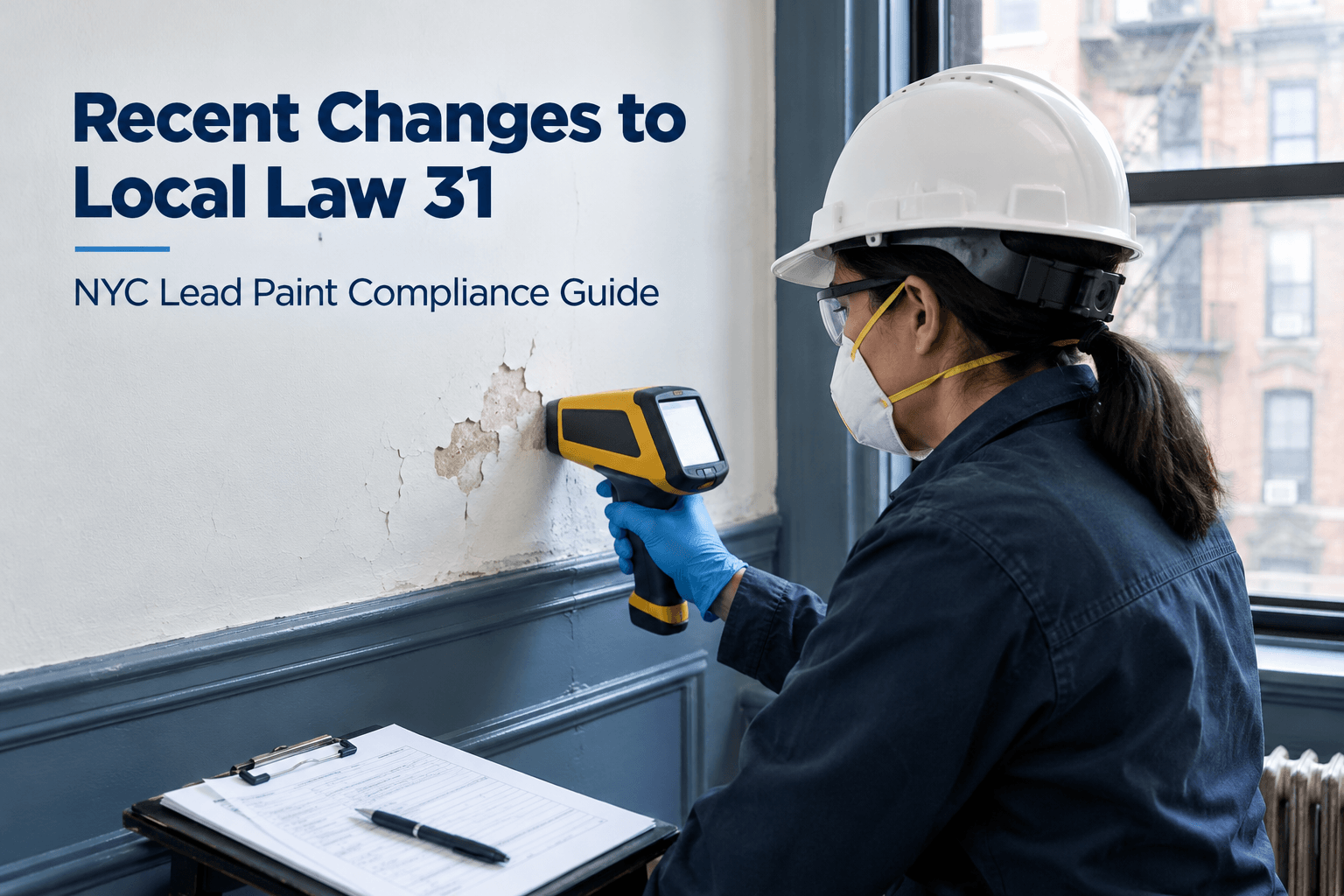
One important change took effect on August 9, 2025. Property owners conducting required X-ray fluorescence (XRF) lead paint testing must include common areas, in addition to applicable dwelling units.
Common areas may include hallways, stairwells, and other shared spaces. Owners should review their inspection records to confirm that required areas have been tested and properly documented. <Cite refs={["turn900506search1","turn900506search2"]}/>
2. Updated Rules for Challenging Certain Lead Paint Violations
Effective February 2, 2026, NYC's Department of Housing Preservation and Development (HPD) adopted a process allowing eligible property owners and registered managing agents to challenge certain lead-based paint violations based on positive XRF test results from metal or ceramic surfaces.
The process has specific eligibility and documentation requirements, so owners should review the applicable HPD rules before submitting a challenge. <Cite refs={["turn900506search0","turn900506search8"]}/>
3. Recordkeeping Remains Essential
Property owners must maintain documentation related to lead paint notices, investigations, testing, and required corrective work. HPD may request these records during compliance audits or enforcement proceedings.
Owners should keep inspection reports, tenant notices, testing results, repair documentation, and applicable exemption records organized and accessible. Missing records can create compliance problems even when work has been performed.
4. Annual Notices and Investigations Still Matter
Local Law 31 does not replace the broader lead-safety obligations under NYC's lead-based paint rules. Owners of covered buildings must continue to follow applicable annual notice and investigation requirements.
For example, required annual notices are generally distributed between January 1 and January 16, with completed notices collected by February 15. Owners must also investigate potential lead hazards in applicable apartments where children under six reside and address deteriorated paint safely. <Cite refs={["turn900506search3","turn900506search2"]}/>
5. Prepare for Ongoing Lead-Safety Requirements
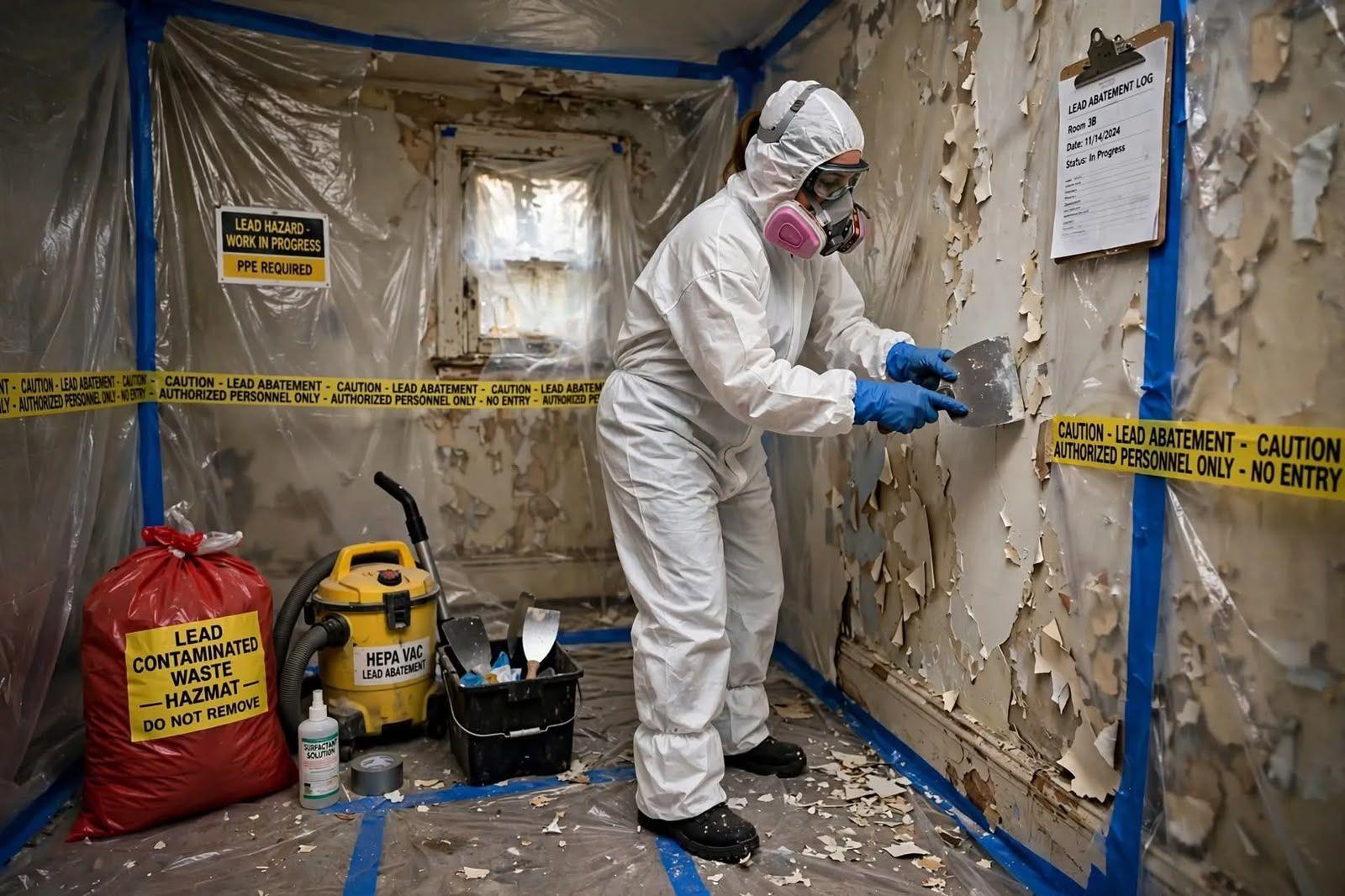
Property owners should review their buildings' inspection history, verify that required testing is complete, maintain accurate records, and address identified hazards promptly. Testing and remediation should be performed by appropriately qualified professionals using the required safety procedures.
Because lead-safety requirements can involve multiple laws and deadlines, owners should consult HPD guidance to determine which obligations apply to their specific properties.
Stay Ahead of NYC Local Law 31 Compliance
Recent developments reinforce the importance of accurate testing, proper documentation, and timely lead-hazard correction. By keeping up with HPD requirements and maintaining organized records, NYC property owners can better protect residents, reduce compliance risks, and prepare for future inspections.
Note: Local Law 31 is part of NYC's broader lead-based paint regulatory framework. Property owners should verify current requirements with HPD rather than assuming every new lead-safety rule is an amendment to Local Law 31 itself.