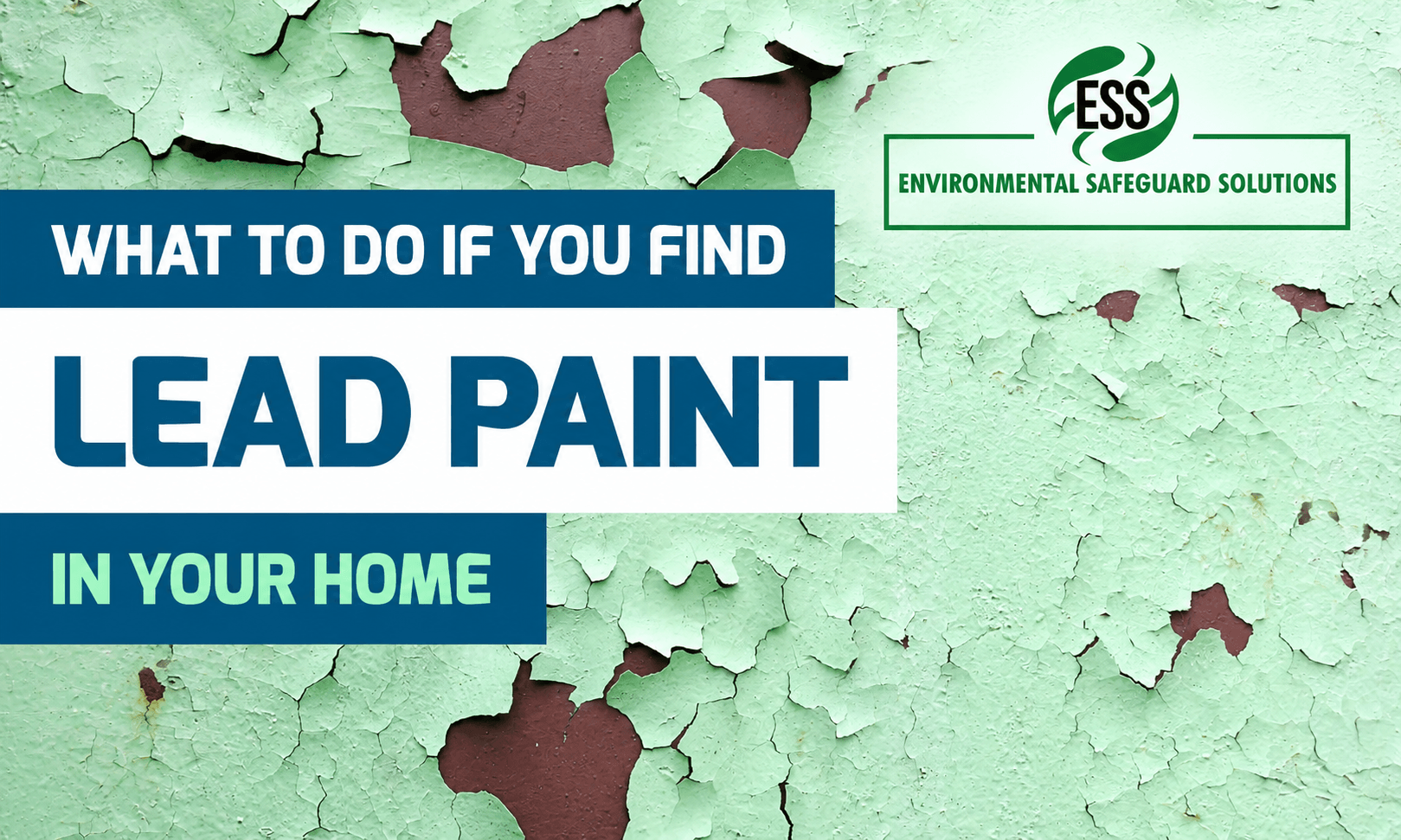
Lead-based paint compliance is an important responsibility for New York City property owners, especially those managing buildings with older housing units. Local Law 31 requires lead-based paint inspections in applicable residential properties to help identify lead hazards and protect residents, particularly young children. Environmental Safeguard Solutions helps property owners understand inspection requirements and take the appropriate steps toward compliance.
Understanding Local Law 31 Requirements
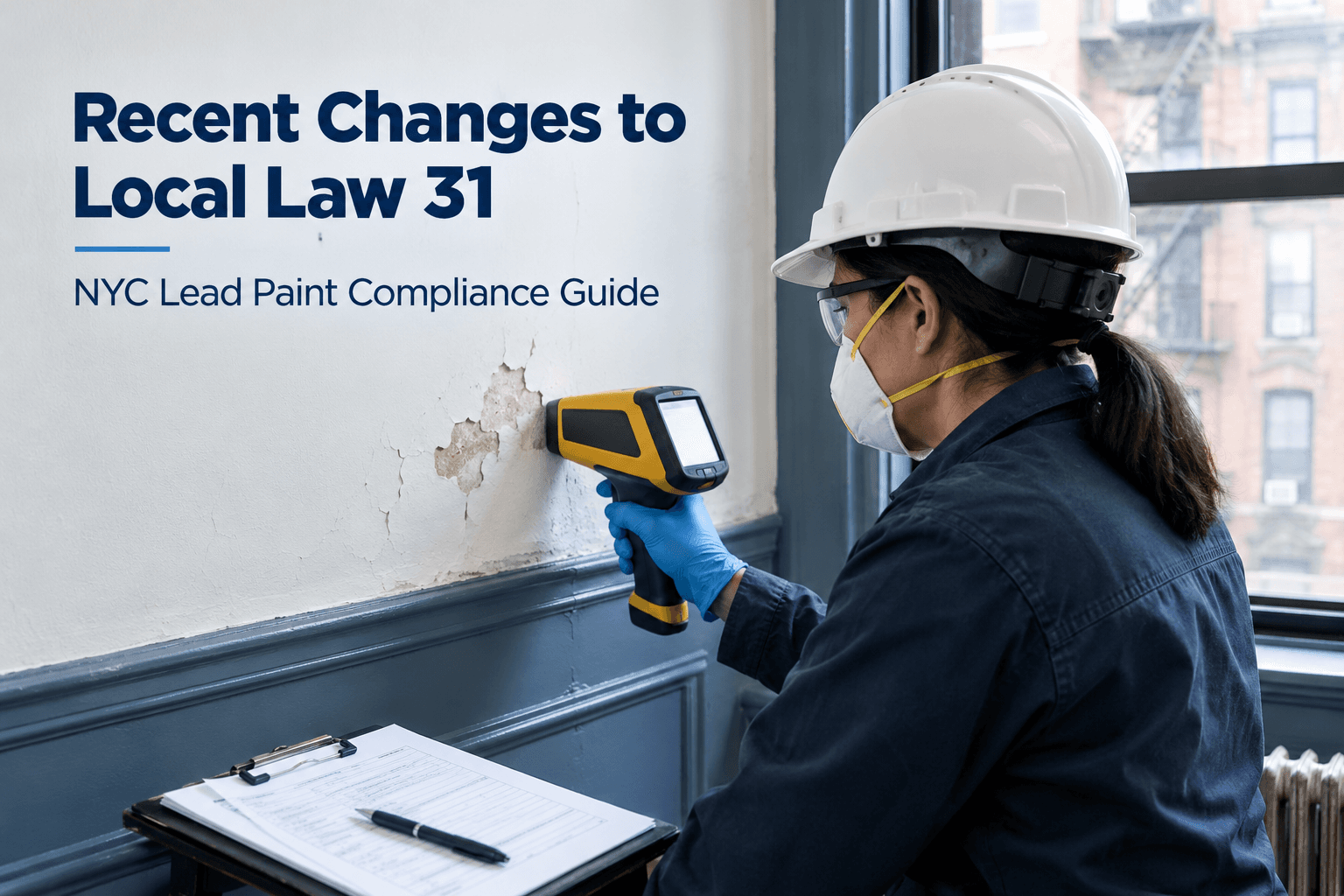
New York City's Local Law 31 established requirements for X-ray fluorescence (XRF) testing of lead-based paint in applicable residential buildings. Generally, covered multiple dwellings built before 1960 must have apartments inspected for lead-based paint, while certain buildings constructed between 1960 and 1978 are also covered when lead-based paint is known to be present.
Property owners should confirm which requirements apply to their buildings and ensure inspections are completed by appropriately certified professionals.
Does Local Law 31 Require Annual Lead Inspections?
Local Law 31's lead-based paint testing requirements should not be confused with the separate annual lead-based paint investigation requirements under New York City's Housing Maintenance Code.
In applicable buildings, owners must conduct annual investigations for peeling paint and other potential lead hazards in apartments where a child under six resides. When required, these investigations must be documented, and identified hazards must be addressed in accordance with applicable regulations.
Understanding the difference between periodic lead paint testing and annual investigations helps property owners avoid missed responsibilities and potential violations.
How Environmental Safeguard Solutions Can Help
Environmental Safeguard Solutions can help property owners prepare for lead inspection and compliance activities by identifying applicable requirements, coordinating appropriate inspection services, and helping owners understand the next steps when potential lead hazards are identified.
Working with qualified professionals can help owners organize documentation, address problems more efficiently, and maintain safer living environments for residents.
What Property Owners Should Do
To stay prepared, property owners should:
Confirm whether their building is subject to Local Law 31 requirements.
Verify that required lead-based paint testing has been completed.
Conduct applicable annual investigations for lead hazards.
Promptly address peeling paint and other identified hazards using legally compliant procedures.
Maintain inspection reports, investigation records, and repair documentation.
Conclusion
Staying compliant with NYC lead regulations requires more than a one-time inspection. Property owners must understand the difference between Local Law 31 testing and ongoing lead-hazard investigation requirements. With proper planning and assistance from Environmental Safeguard Solutions, owners can better manage their responsibilities, reduce the risk of violations, and help protect residents from lead exposure.