Receiving an HPD violation can be frustrating for New York City property owners, but correcting the issue alone doesn't always mean the violation will be dismissed immediately. Many dismissals are delayed because of incomplete paperwork, missed inspections, or failure to follow the proper procedures. Understanding these common mistakes can help building owners resolve violations more efficiently and avoid unnecessary penalties or repeat enforcement actions.
Understand the Dismissal Process
The New York City Department of Housing Preservation and Development (HPD) requires more than just completing repairs. In many cases, owners must certify the correction, provide supporting documentation, and, depending on the type of violation, schedule a reinspection before the violation can be officially cleared.
Skipping any step in this process can leave a violation open even after the problem has been fixed.
Mistake #1: Waiting Too Long to Address the Violation
One of the biggest mistakes is delaying repairs after receiving a violation notice. The longer hazardous conditions remain unresolved, the greater the risk of additional fines, legal action, or emergency repairs performed by the city at the owner's expense.
Prompt action not only improves tenant safety but also speeds up the dismissal process.
Mistake #2: Incomplete or Incorrect Repairs
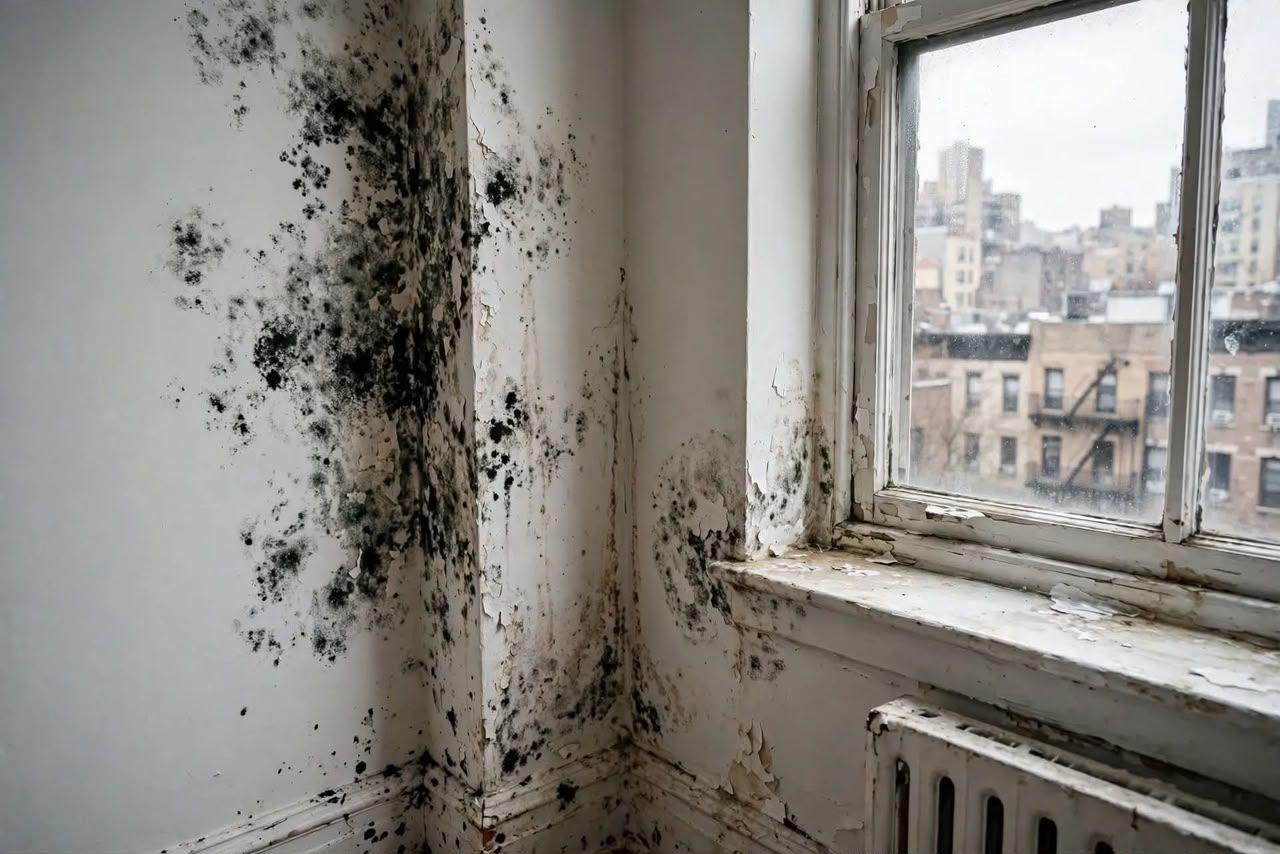
Fixing only the visible problem without addressing the underlying cause often leads to failed reinspections. For example, patching damaged plaster without repairing the source of a water leak may result in the violation remaining open because the original issue still exists.
Repairs should fully comply with applicable building, housing, and safety regulations.
Mistake #3: Missing Required Documentation
Many dismissal requests are delayed because owners fail to submit all required documentation. Depending on the violation, this may include:
- Certification of correction forms
- Inspection reports
- Contractor invoices
- Photographs of completed repairs
- Permits or sign-offs, when applicable
- Lead-safe or environmental compliance documentation
Keeping organized records helps demonstrate that the required work has been completed properly.
Mistake #4: Failing to Schedule Required Reinspections
Some violations require HPD to verify that repairs have been completed before they can be dismissed. Owners who assume the violation will automatically close after repairs may be surprised to find it still listed as active months later.
Always confirm whether a reinspection is required and schedule it as soon as the work is complete.
Mistake #5: Using Unqualified Contractors
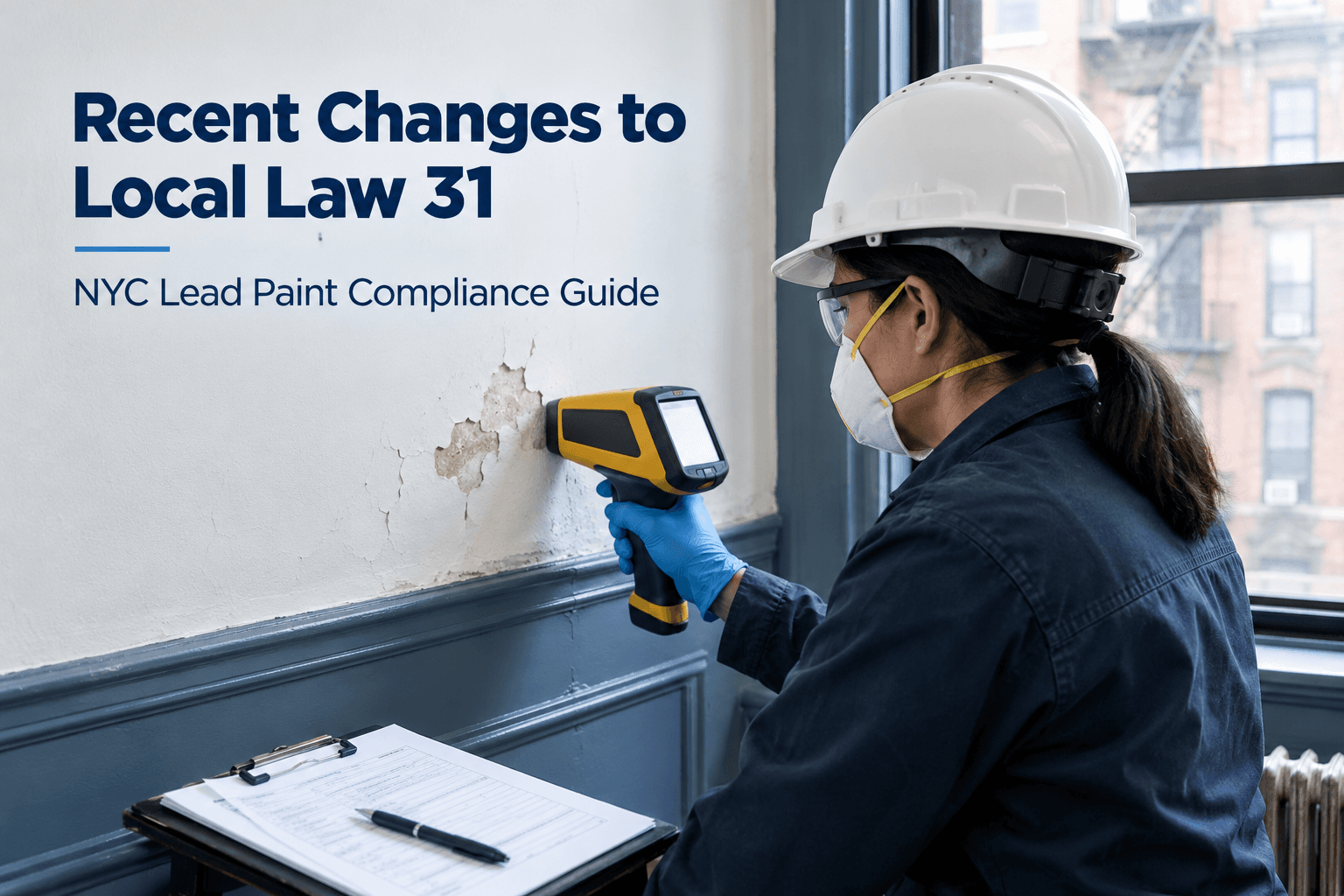
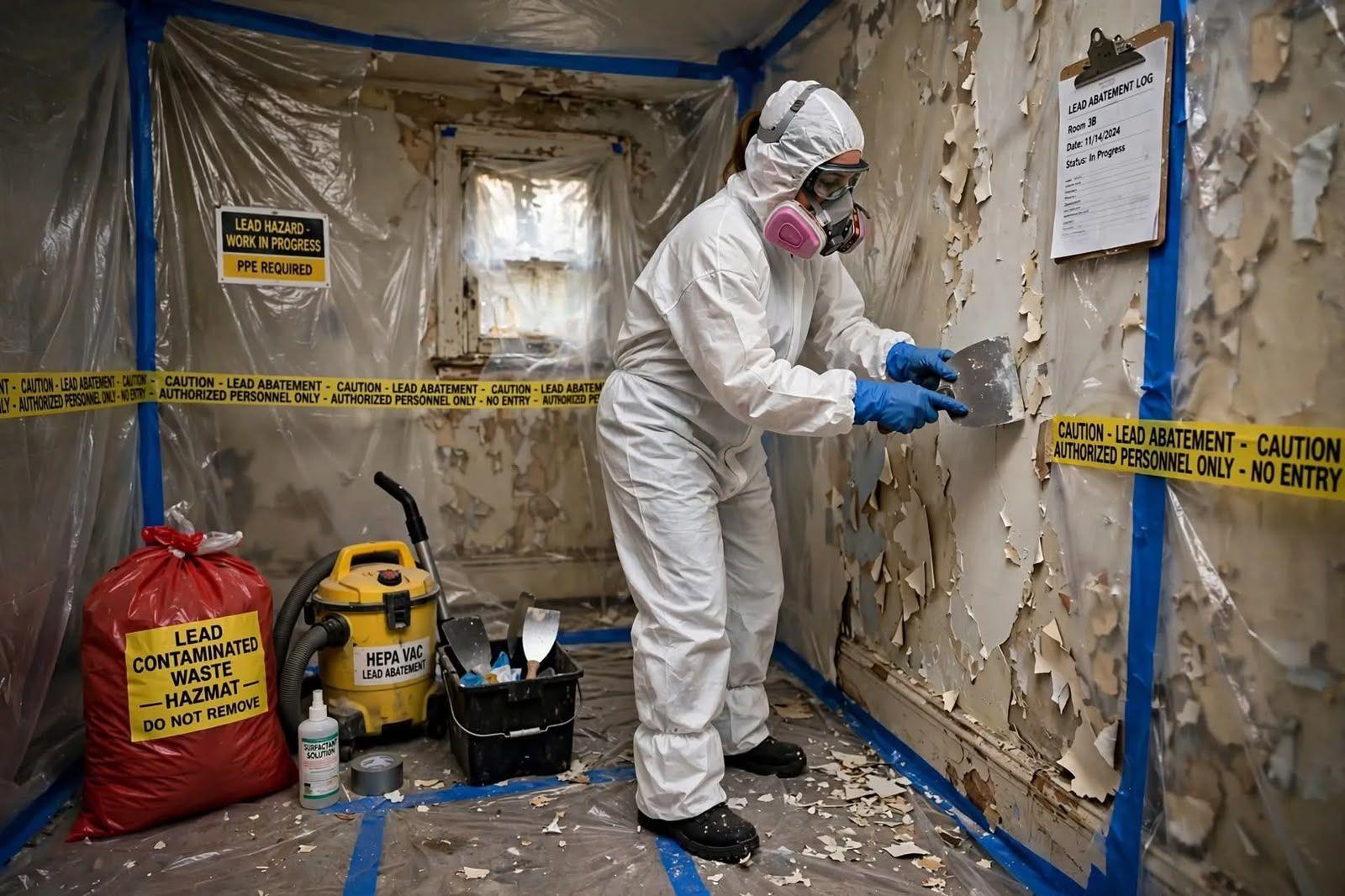
Certain violations—especially those involving lead-based paint, structural issues, or environmental hazards—may require licensed or certified professionals. Hiring contractors who lack the necessary qualifications can result in repairs that fail inspection or do not satisfy HPD requirements.
Working with experienced professionals helps ensure repairs meet all applicable standards.
Mistake #6: Ignoring Related Violations
It's common for buildings to have multiple open violations at the same time. Focusing on only one issue while overlooking others can prolong the overall compliance process and increase the likelihood of future enforcement actions.
Review your property's violation history carefully and address all outstanding issues whenever possible.
Stay Organized Throughout the Process
Keeping accurate records can make the dismissal process much smoother. Maintain a file containing:
- Violation notices
- Repair invoices
- Inspection reports
- Before-and-after photographs
- Permits and approvals
- Copies of certification forms
- Correspondence with HPD
Having this information readily available can help resolve questions quickly if additional verification is requested.
Resolve Violations Efficiently
Successfully dismissing an HPD violation requires more than completing repairs—it requires following the correct process from start to finish. By addressing violations promptly, using qualified professionals, submitting complete documentation, and confirming whether reinspections are required, property owners can avoid unnecessary delays and restore their buildings to full compliance.
A proactive approach not only helps clear existing violations faster but also reduces the risk of future violations, protects tenants, and supports the long-term value of your