Mold can grow quietly behind walls, under flooring, or inside HVAC systems—often going unnoticed until it becomes a major health and structural issue. Whether you’re a homeowner, tenant, or property owner, understanding the importance of a professional mold inspection can protect both your property and your health.
The Hidden Dangers of Mold
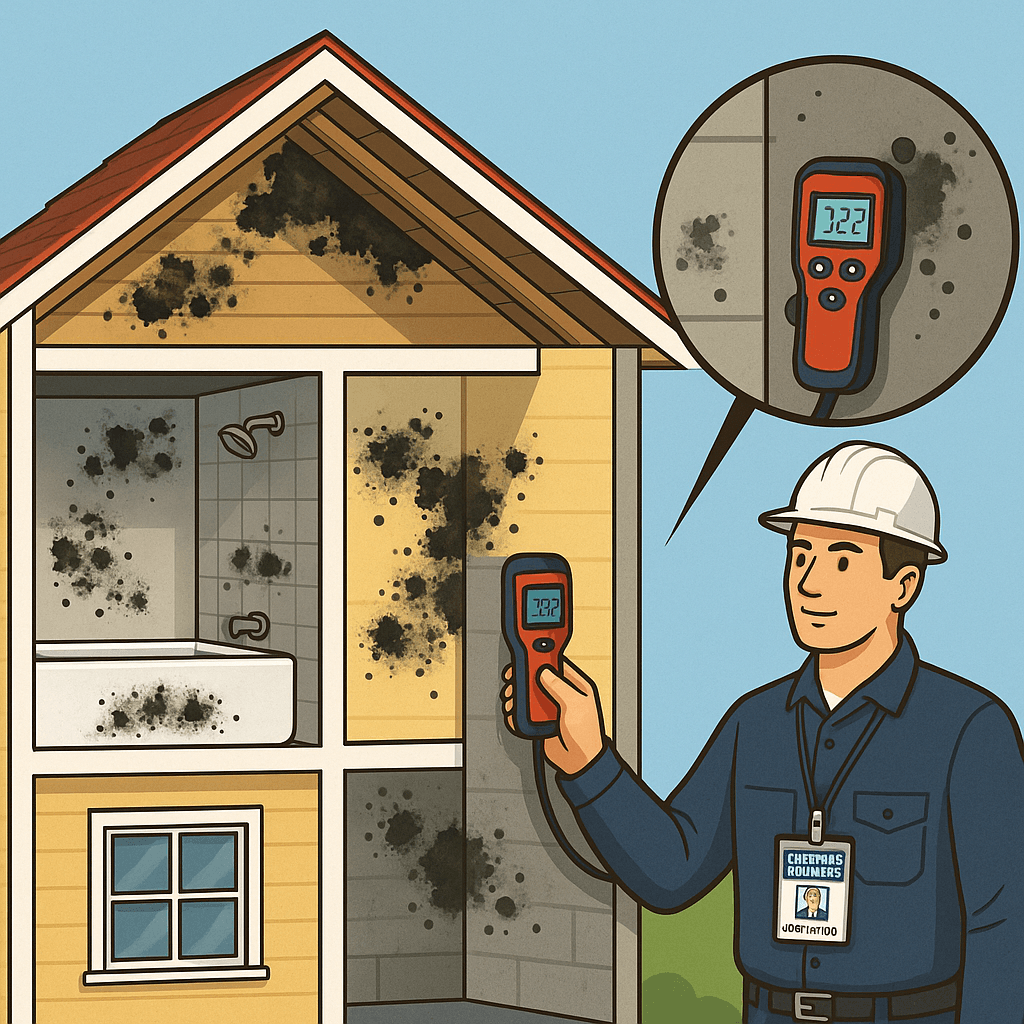
Mold thrives in damp, poorly ventilated areas and can spread rapidly once moisture is present. Common sources include roof leaks, plumbing issues, basement humidity, and past flooding.
Unchecked mold can cause:
- Respiratory problems: Especially for children, the elderly, and those with asthma or allergies.
- Structural damage: Mold can weaken walls, ceilings, and wood framing over time.
- Property devaluation: Visible mold or water damage can significantly impact resale or rental value.
- Legal issues: For landlords, ignoring mold complaints can lead to HPD violations and tenant disputes.
Why Mold Inspections Matter
A mold inspection isn’t just about finding visible mold—it’s about identifying the source of moisture and preventing future growth. Professional mold inspections ensure:
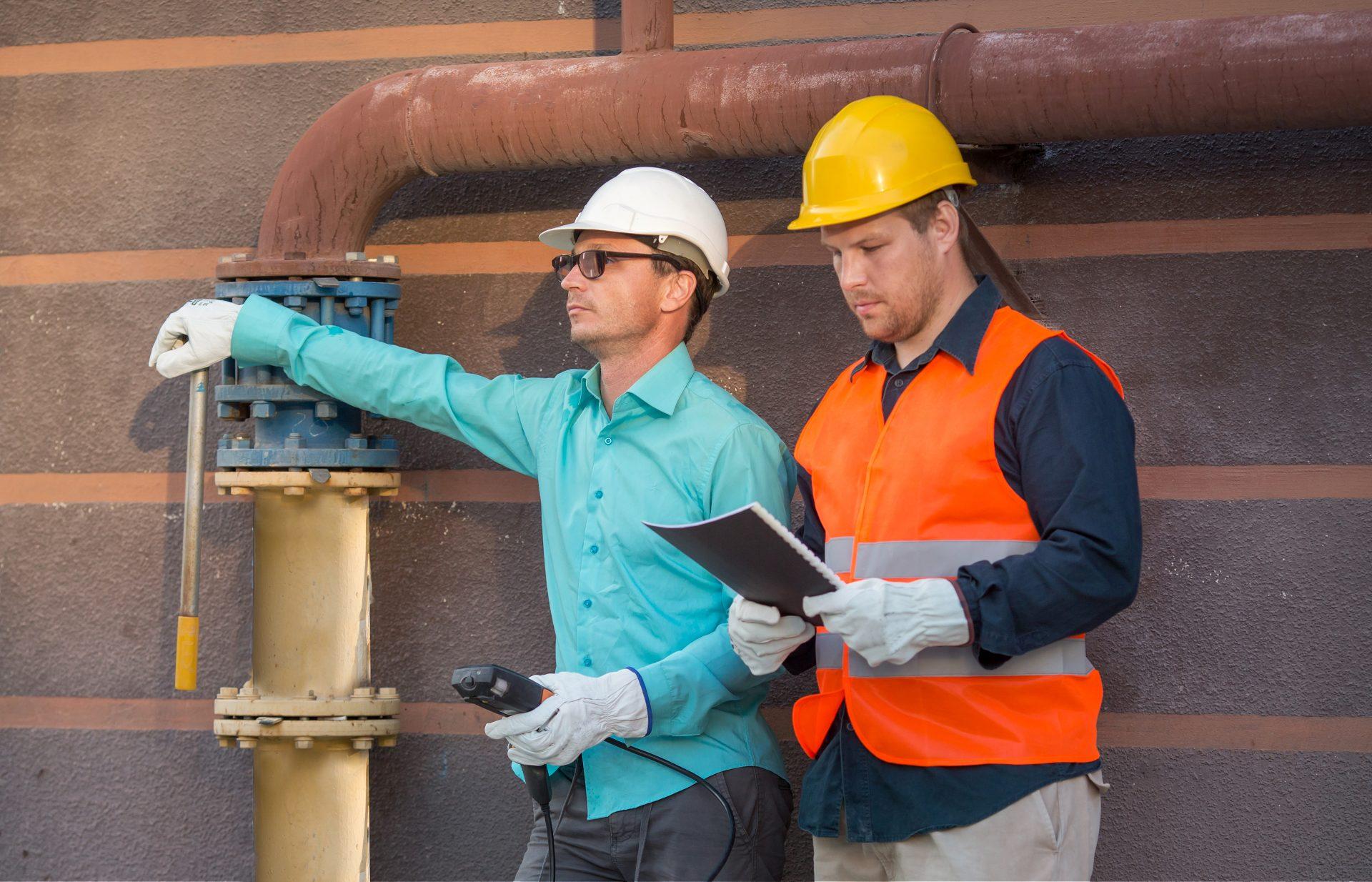
- Accurate identification: Certified assessors use moisture meters, thermal imaging, and air/surface sampling to locate hidden mold.
- Objective reporting: Licensed inspectors provide unbiased documentation that can be used for remediation plans or insurance claims.
- Health and safety: Early detection helps prevent health symptoms from prolonged exposure.
- Regulatory compliance: In New York City, Local Law 55 requires landlords to maintain mold-free apartments and address moisture conditions promptly.
What to Expect During a Mold Assessment
At Environmental Safeguard Solutions, our certified mold assessors follow a detailed, EPA-compliant process:
- Initial Visual Inspection
We begin by walking through the property, identifying signs of moisture, staining, or musty odors. Areas like bathrooms, basements, and around windows are carefully examined. - Moisture Mapping
Using moisture meters and infrared cameras, we identify damp or hidden areas that could harbor mold growth. - Air and Surface Sampling (If Needed)
When necessary, we collect air and surface samples to determine mold type and concentration levels, which are analyzed by an accredited laboratory. - Detailed Report & Recommendations
After assessment, we provide a comprehensive report outlining findings, moisture sources, and remediation recommendations—ensuring you know exactly how to restore a safe environment. - Post-Remediation Clearance
Once remediation work is completed, a follow-up inspection confirms that all mold has been safely and effectively removed.
Protect Your Property — and Your Peace of Mind
Mold problems don’t go away on their own. Whether you’re buying a home, renting an apartment, or managing a portfolio of buildings, a professional mold inspection offers clarity, safety, and long-term savings.
At Environmental Safeguard Solutions, we help New York property owners stay compliant, healthy, and mold-free.
Schedule your professional mold assessment today.
📞 (929)-305-1232 | ✉️ sales@ess-nyc.com
🌐 www.ess-nyc.com