Understanding NYC's New Parapet Inspection Requirements and the Cost of Non-Compliance
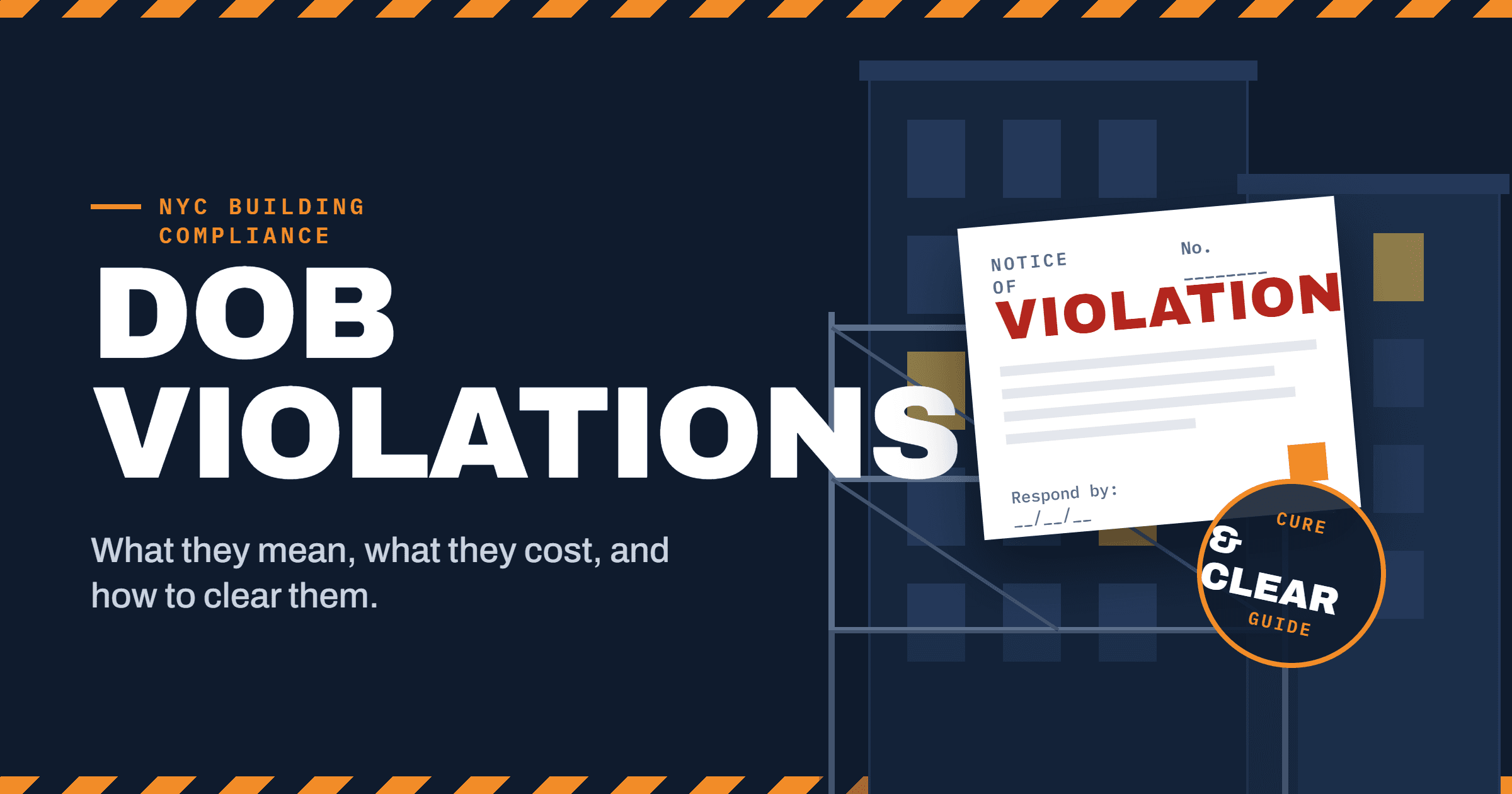
New York City building owners are facing increased scrutiny when it comes to exterior building safety. One of the most significant recent requirements is Local Law 126, which mandates annual parapet wall observations for many buildings throughout the city. While the law was designed to improve public safety and prevent falling debris incidents, failure to comply can result in Department of Buildings (DOB) violations, penalties, and costly repairs.
If you own or manage a building with a parapet wall, understanding Local Law 126 is essential to avoiding fines and maintaining compliance.
What Is Local Law 126?
Local Law 126 of 2021 took effect on January 1, 2024, and requires annual observations of parapet walls that front a public right-of-way, such as a street or sidewalk. The law was enacted after several incidents involving deteriorated parapets and falling masonry that posed risks to pedestrians and property.
Unlike the Facade Inspection Safety Program (FISP), which primarily applies to buildings over six stories, Local Law 126 extends parapet safety requirements to many lower-rise buildings as well.
What Is a Parapet Wall?
A parapet is the portion of a wall that extends above the roofline of a building. While parapets often serve architectural and safety purposes, they are highly exposed to weather, moisture infiltration, freeze-thaw cycles, and general deterioration. Over time, these conditions can cause cracking, loose masonry, leaning walls, and falling debris.
Who Must Comply?
Generally, Local Law 126 applies to buildings with parapet walls that face a public right-of-way. Most commercial, residential, mixed-use, and institutional properties fall under the law's requirements. Certain detached one- and two-family homes may be exempt.
Property owners are responsible for ensuring that annual observations are completed and records are maintained for at least six years.
What Inspectors Look For
During a Local Law 126 observation, qualified professionals assess several conditions, including:
- Cracked or displaced masonry
- Missing or deteriorated mortar joints
- Leaning or out-of-plumb parapets
- Loose coping stones or caps
- Signs of water damage
- Unsafe appurtenances attached to the parapet
- Structural instability or movement
The goal is to identify hazards before they become dangerous to the public.
Common Local Law 126 Violations
Several issues can trigger DOB violations under Local Law 126:
1. Failure to Perform Annual Observations
Property owners who do not complete the required annual parapet observation may face enforcement actions if requested documentation cannot be produced. Since records must be retained for six years, maintaining organized inspection reports is critical.
2. Failure to Correct Unsafe Conditions
If an inspector identifies a parapet as unsafe, the condition must be addressed promptly. Unsafe conditions that remain unresolved can lead to DOB violations, civil penalties, and escalating enforcement actions.
3. Inadequate Documentation
Even if an inspection is performed, failing to maintain proper records can create compliance issues. DOB may request inspection reports as proof that annual observations were completed.
4. Ignoring Deterioration
Cracks, spalling brick, loose coping stones, and unstable masonry may seem minor initially, but delaying repairs can result in unsafe classifications and significantly higher repair costs later.
What Happens When a Parapet Is Found Unsafe?
When an unsafe condition is discovered, the situation becomes far more serious.
Inspectors are generally required to notify the owner and report hazardous conditions to the DOB. Building owners may need to implement immediate public protection measures such as barriers, fencing, or sidewalk protection while repairs are completed. Unsafe conditions are expected to be corrected within prescribed timeframes.
Failure to take corrective action can lead to additional violations, increased penalties, and potential liability if injuries or property damage occur.
Potential Financial Consequences
The true cost of non-compliance often extends beyond the initial fine. Building owners may face:
- DOB violations
- Civil penalties
- Emergency repair costs
- Sidewalk shed or protective structure expenses
- Increased insurance exposure
- Delays in refinancing or property transactions
- Legal liability for accidents caused by falling debris
In many cases, proactive inspections and maintenance are far less expensive than responding to an emergency condition.
Best Practices for Staying Compliant
To reduce the risk of Local Law 126 violations, property owners should:
- Schedule annual parapet observations on time.
- Work with qualified inspectors familiar with NYC regulations.
- Maintain all inspection records for at least six years.
- Address recommended repairs promptly.
- Monitor parapets regularly for visible signs of deterioration.
- Develop a preventative maintenance plan for masonry and waterproofing systems.
Final Thoughts
Local Law 126 represents a significant shift in New York City's approach to building safety. While the annual observation requirement may seem like another regulatory burden, its purpose is to prevent dangerous parapet failures and protect the public.
For building owners, the message is clear: proactive inspections, proper documentation, and timely repairs are the most effective ways to avoid DOB violations, fines, and costly emergency repairs. Staying compliant today can save substantial time, money, and legal risk in the future.