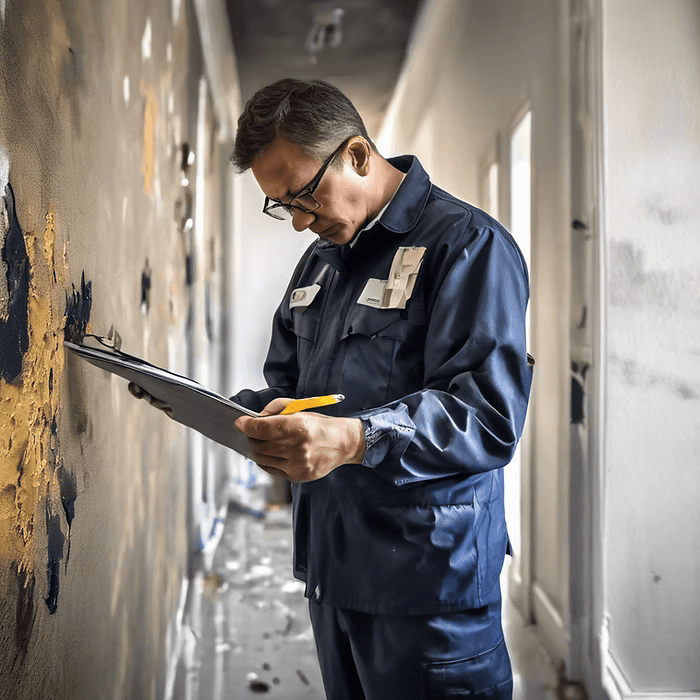
Lead-based paint remains a major concern for property owners in New York City, especially in residential buildings constructed before 1960. Landlords have a legal responsibility to identify and address lead-based paint hazards to protect tenants, particularly young children who are more vulnerable to lead exposure.
Understanding NYC lead abatement requirements can help landlords avoid violations, costly repairs, and potential legal issues.
1. Understand Local Law 31 Requirements
Under NYC Local Law 31, buildings constructed before 1960, as well as certain buildings constructed between 1960 and 1978, must undergo lead-based paint testing when required. Inspections must be performed by an EPA-certified lead inspector or risk assessor.
Landlords should maintain proper inspection records and ensure that required testing is completed within applicable deadlines.
2. Identify and Address Lead Hazards
Common sources of lead exposure include peeling paint, deteriorating painted surfaces, friction surfaces around windows and doors, and damaged walls.
When lead hazards are identified, landlords must take appropriate steps to correct them. This may involve repairing damaged surfaces, replacing hazardous components, or performing professional lead abatement.
3. Hire Qualified Lead Abatement Professionals
Lead abatement requires proper training, equipment, and safety procedures. Landlords should work with qualified and certified professionals who understand NYC regulations and EPA requirements.
Professional abatement helps prevent lead dust from spreading during repair work and ensures that hazardous materials are handled safely.
4. Keep Proper Documentation
Maintaining accurate records is essential for demonstrating compliance. Landlords should keep copies of lead inspection reports, laboratory results, abatement records, tenant notifications, and clearance documentation.
Organized records can help property owners respond to HPD inspections and avoid unnecessary compliance issues.
5. Understand the Consequences of Noncompliance
Failure to comply with NYC lead safety requirements can result in HPD violations, financial penalties, and potential legal liability. More importantly, ignoring lead hazards can put tenants and their families at risk.
Landlords should address lead-related concerns promptly rather than waiting for complaints or city inspections.
Protect Your Property and Your Tenants
Lead abatement is an important responsibility for every New York landlord. By understanding Local Law 31, scheduling required inspections, hiring qualified professionals, and maintaining proper documentation, property owners can help create safer living environments while staying compliant with NYC regulations.
Working with experienced lead inspection and abatement professionals can make the compliance process easier and help prevent costly problems in the future.