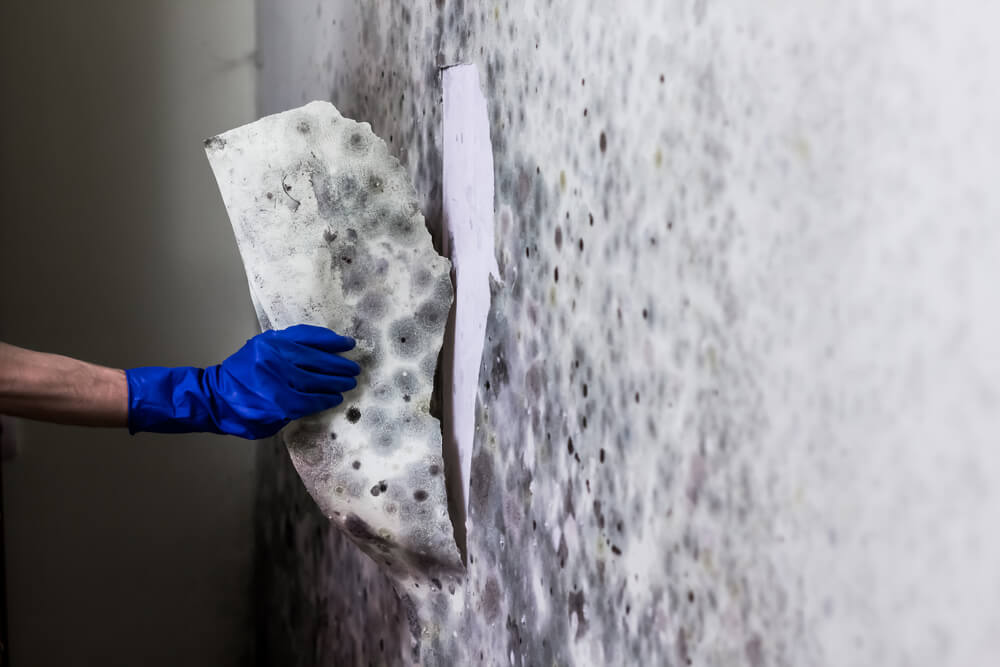
Mold is one of the most common — and most overlooked — problems in New York City buildings. From pre-war walk-ups in Manhattan to brownstones in Brooklyn and basement units in Queens, mold can grow silently behind walls, under flooring, and inside HVAC systems.
Because it often develops out of sight, many residents don’t realize there’s a problem until health symptoms or visible damage appear.
Here’s what every NYC resident should know.
Why Mold Is So Common in NYC Buildings
New York City’s housing stock creates the perfect storm for mold growth:
1. Aging Infrastructure
Many NYC buildings are over 50–100 years old. Old plumbing, deteriorating roofs, and outdated ventilation systems increase the likelihood of leaks and trapped moisture.
2. High Humidity
NYC summers are hot and humid. When indoor humidity rises above 60%, mold can begin growing in as little as 24–48 hours.
3. Poor Ventilation
Small bathrooms without windows, tightly packed apartments, and inadequate airflow allow moisture to linger — especially after showers, cooking, or leaks.
4. Flooding & Water Damage
Heavy rainstorms and coastal flooding impact areas like The Bronx and Staten Island, leaving hidden moisture behind walls and under floors.
Where Mold Hides in Apartments
Mold isn’t always obvious. Common hidden areas include:
- Behind drywall after plumbing leaks
- Under kitchen sinks
- Around window frames
- Beneath bathroom tiles
- Inside HVAC units and PTAC systems
- In basement ceilings and crawl spaces
If you smell a persistent musty odor, there may be hidden growth.
Health Risks Associated With Mold
Exposure to mold can trigger:
- Chronic coughing or sneezing
- Eye, nose, and throat irritation
- Headaches
- Skin rashes
- Worsened asthma symptoms
Children, seniors, and individuals with respiratory conditions are especially vulnerable.
If symptoms improve when you leave your apartment but return when you come home, mold could be a contributing factor.
NYC Mold Laws: What Residents Should Know
Under NYC housing regulations, landlords are required to maintain apartments free from hazardous mold conditions. The NYC Housing Preservation and Development (HPD) enforces these rules.
Key points:
- Landlords must address mold conditions promptly.
- Certified professionals must handle larger mold remediation jobs (over 10 square feet).
- Tenants can file complaints through 311 if issues are not resolved.
Failure to correct mold conditions can result in violations and fines.
Warning Signs You Shouldn’t Ignore
Contact your landlord immediately if you notice:
- Peeling paint or bubbling walls
- Water stains on ceilings
- Warped flooring
- Recurring leaks
- Musty odors that won’t go away
Delaying action can make remediation more expensive — and more hazardous.
How to Protect Yourself
While landlords are responsible for structural issues, residents can help prevent mold by:
- Using exhaust fans while cooking and showering
- Running a dehumidifier during humid months
- Reporting leaks immediately
- Avoiding drying wet clothes indoors without ventilation
- Keeping furniture slightly away from exterior walls
Prevention is far easier — and cheaper — than full remediation.
Final Thoughts
Mold in NYC buildings is more common than many residents realize. Because it often grows behind walls and under floors, it can go unnoticed until health or structural problems emerge.
Staying informed, documenting issues, and understanding your rights can make all the difference.
If you suspect mold in your apartment, act quickly. Early intervention protects both your health and your home.