Mold is a persistent problem in many New York buildings, particularly in older residential and commercial properties where moisture issues are common. While some property owners may view mold complaints as routine maintenance concerns, failing to address mold violations can have serious consequences. From legal liability and regulatory penalties to property damage and health risks, the costs of ignoring mold issues often far exceed the expense of timely remediation.
Understanding Mold Violations in New York
New York property owners and landlords have a legal responsibility to provide safe and habitable living conditions. When mold growth results from unresolved leaks, water damage, poor ventilation, or neglected maintenance, local housing authorities may issue violations requiring corrective action.
Mold violations are not simply administrative notices. They often indicate conditions that can affect tenant health, building integrity, and compliance with housing regulations. Ignoring these violations can trigger a chain of financial and legal problems that become increasingly difficult to manage.
Health Risks Lead to Greater Liability
One of the most significant concerns associated with mold is its potential impact on occupant health. Exposure to mold may contribute to:
- Respiratory problems
- Allergic reactions
- Asthma attacks
- Chronic coughing and wheezing
- Eye, nose, and throat irritation
- Headaches and fatigue
Children, elderly individuals, and people with weakened immune systems are particularly vulnerable to mold-related health complications.
When tenants believe that mold exposure has affected their health, property owners may face complaints, demands for repairs, rent disputes, or legal claims. What begins as a maintenance issue can quickly escalate into a costly liability matter.
Financial Penalties and Regulatory Consequences
Failure to correct mold violations within required timeframes can result in fines, enforcement actions, and additional inspections. Local housing agencies may impose penalties that increase over time, particularly when property owners repeatedly fail to comply with orders to remediate hazardous conditions.
In some cases, unresolved violations can impact a building owner's ability to obtain permits, complete transactions, or maintain compliance with local housing standards.
The longer a violation remains open, the greater the likelihood that enforcement costs will continue to rise.
Property Damage Becomes More Expensive Over Time
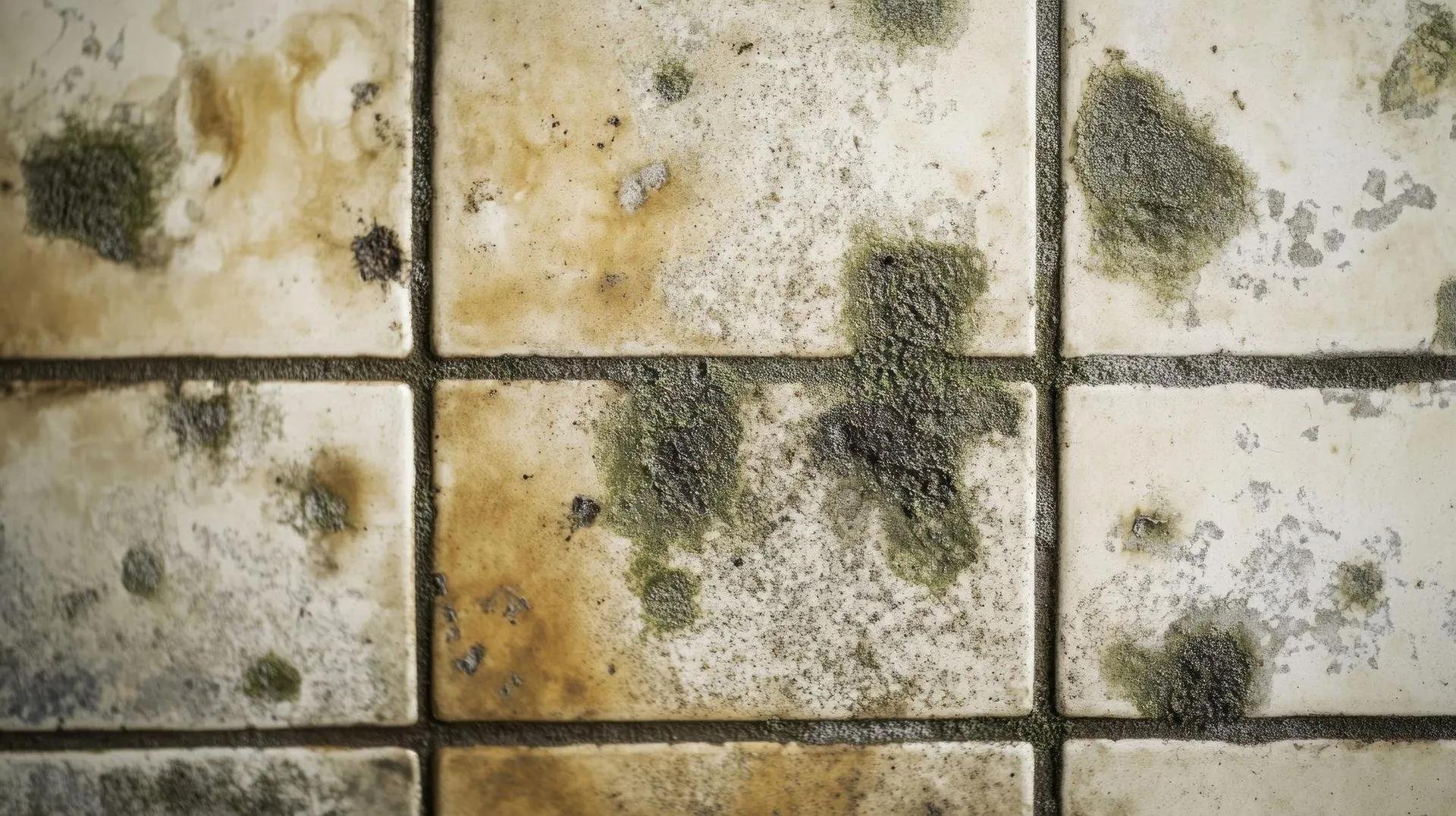
Mold rarely stays in one location. Once moisture infiltrates a building, mold can spread through drywall, insulation, flooring, ceilings, and HVAC systems.
A small leak behind a wall may seem insignificant initially, but over months or years it can lead to:
- Structural deterioration
- Damaged building materials
- Wood rot
- Electrical hazards
- Extensive remediation requirements
Early intervention often involves relatively affordable repairs. Delayed action, however, may require major restoration projects costing thousands—or even tens of thousands—of dollars.
Tenant Turnover and Lost Rental Income
Tenants expect safe and healthy living environments. When mold issues remain unresolved, residents may choose not to renew leases or may seek legal remedies to terminate tenancy agreements.
High tenant turnover creates additional costs, including:
- Vacancy losses
- Marketing expenses
- Cleaning and repair costs
- Leasing commissions
- Administrative expenses
Negative tenant experiences can also make it more difficult to attract future renters, particularly in competitive housing markets where online reviews significantly influence leasing decisions.
Increased Risk of Lawsuits
Mold-related litigation can be expensive and time-consuming. Tenants may pursue claims alleging negligence, breach of habitability obligations, property damage, or personal injury.
Even when property owners ultimately prevail in court, legal defense costs can be substantial. Attorney fees, expert witnesses, inspections, and settlement negotiations can create significant financial burdens.
For landlords and property managers, prevention is almost always more cost-effective than defending a lawsuit.
Reduced Property Value and Marketability
A history of unresolved mold problems can negatively impact a property's value. Buyers, lenders, insurers, and investors often conduct thorough inspections before completing transactions.
Evidence of mold, water damage, or outstanding violations may result in:
- Lower property valuations
- Delayed closings
- Increased insurance concerns
- Financing complications
- Reduced buyer interest
Property owners who proactively address mold issues are generally in a stronger position when refinancing, selling, or attracting investors.
Protecting Your Building and Investment
The most effective way to avoid the costs associated with mold violations is through proactive maintenance and prompt remediation. Property owners should:
- Investigate water leaks immediately
- Address moisture intrusion at its source
- Maintain proper ventilation systems
- Conduct regular building inspections
- Respond quickly to tenant complaints
- Hire qualified remediation professionals when necessary
Taking these steps can help prevent small problems from becoming major liabilities.
Final Thoughts
Ignoring mold violations in New York buildings can lead to serious financial, legal, and operational consequences. What may appear to be a minor maintenance issue can quickly evolve into costly repairs, regulatory penalties, tenant disputes, and litigation.
For property owners, landlords, and managers, addressing mold concerns promptly is not just a matter of compliance—it is an investment in the long-term value, safety, and success of the property. By taking action early, building owners can protect both their tenants and their bottom line.