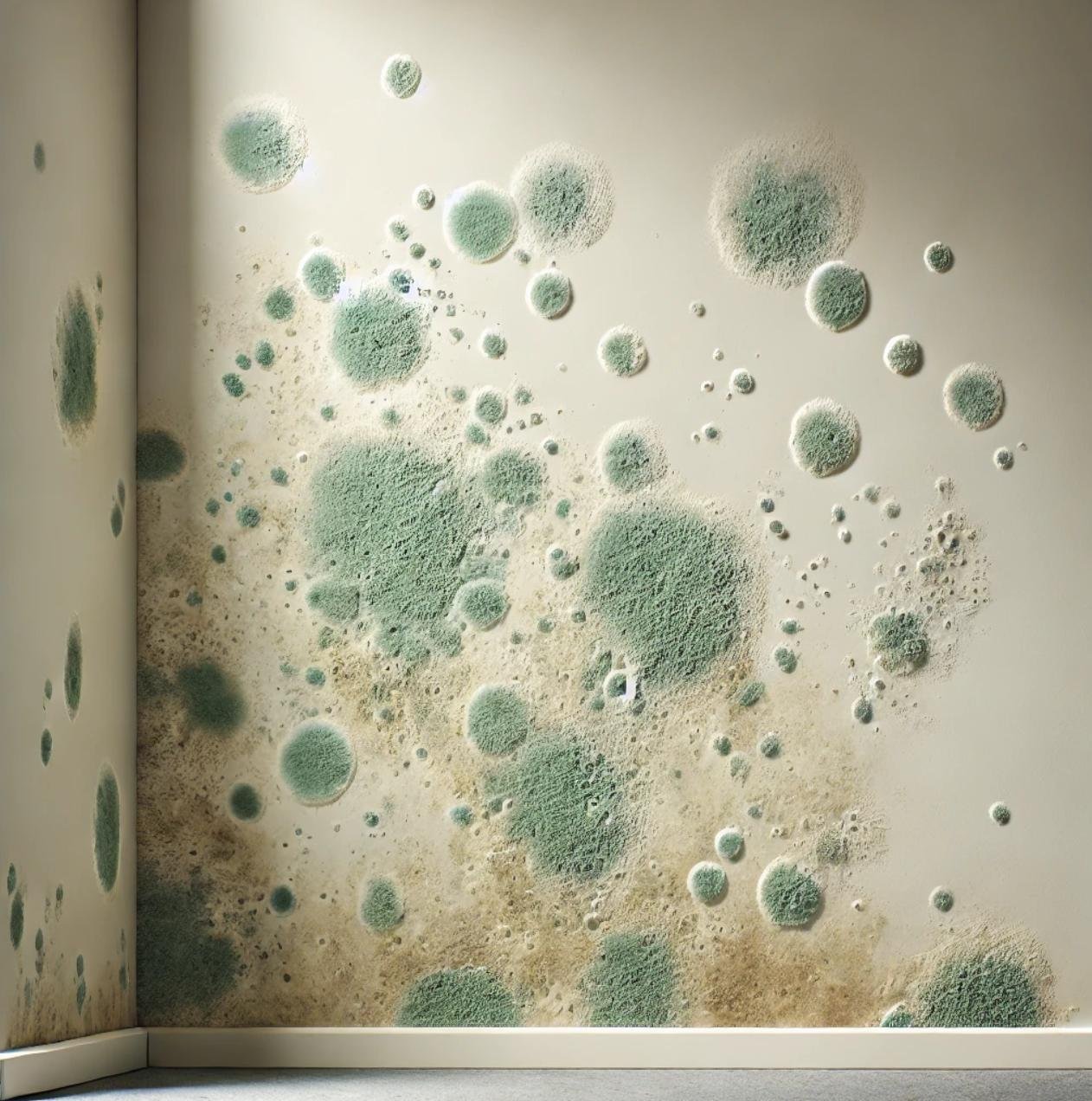
Mold is a common building problem in New York City, particularly in properties with moisture leaks, poor ventilation, or water damage. While small amounts of mold may sometimes be manageable, significant or recurring mold growth can indicate an underlying building issue that should be addressed promptly.
Common Causes of Mold in NYC Buildings
Mold develops when moisture remains present for an extended period. Common causes include leaking pipes, roof leaks, flooding, plumbing problems, condensation, and inadequate ventilation. Bathrooms, kitchens, basements, and areas around windows are especially vulnerable.
A building that has repeated moisture problems may continue developing mold unless the source of the moisture is properly identified and corrected.
Potential Health Risks
Exposure to indoor mold can cause allergic reactions and respiratory irritation, particularly in sensitive individuals. Common symptoms may include sneezing, coughing, nasal irritation, itchy eyes, and skin irritation. People with existing respiratory sensitivities may experience more noticeable effects.
Because mold can sometimes be hidden behind walls, ceilings, flooring, or other materials, visible growth may not always represent the full extent of a moisture problem.
What NYC Tenants Should Know
NYC tenants have the right to live in a safe and habitable environment. When mold or persistent moisture problems are present, tenants should notify their landlord or property manager and keep records of complaints, photographs, maintenance requests, and any related communication.
Property owners and managers should investigate reported mold conditions and address the underlying source of moisture rather than simply covering or removing visible mold. Depending on the circumstances, additional inspection, remediation, or building repairs may be necessary.
Addressing Mold Problems Properly
Effective mold control starts with finding and correcting the moisture source. Professional assessment can help determine where moisture is coming from and whether mold has affected building materials or hidden areas.
For property owners, addressing mold complaints promptly can help protect tenants, prevent further property deterioration, and reduce the risk of violations or costly repairs. For tenants, documenting problems and reporting them promptly can help ensure that concerns are properly addressed.