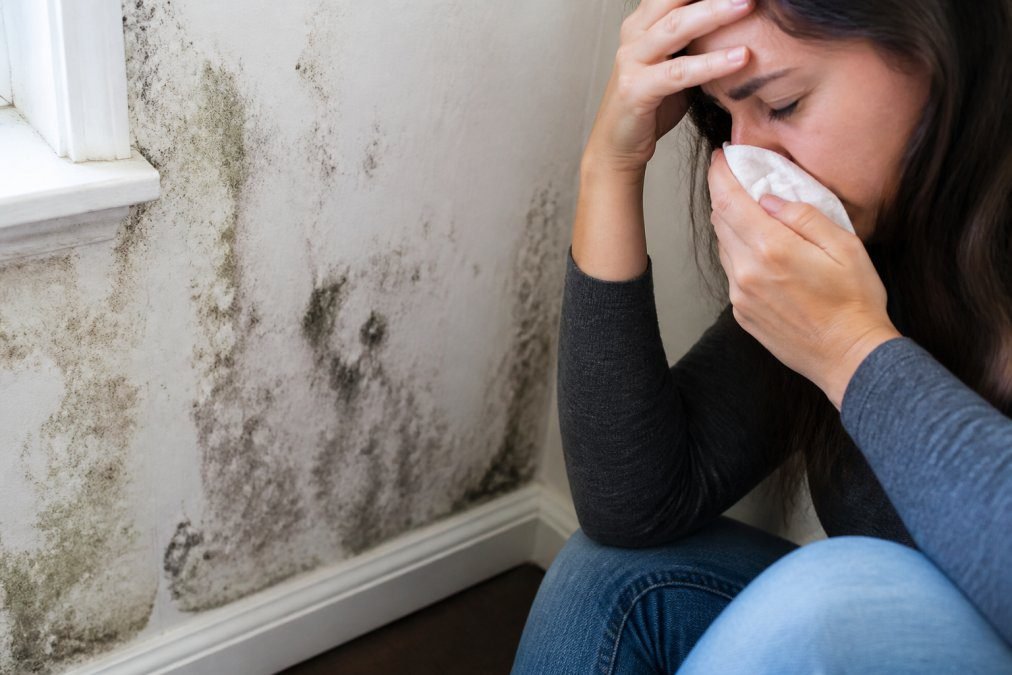
Mold growth is a common problem in New York City apartments, especially in buildings with leaks, poor ventilation, and excess moisture. While mold may appear as small spots on walls or ceilings, prolonged exposure can affect indoor air quality and potentially cause health problems for residents.
Recognizing the warning signs of mold exposure is important for tenants, landlords, and property managers. Addressing moisture problems early can help prevent further mold growth and protect the health of building occupants.
1. Persistent Coughing and Sneezing
One of the most common reactions to mold exposure is respiratory irritation. Residents may experience frequent coughing, sneezing, a runny nose, or throat irritation, particularly when spending time inside an affected apartment.
2. Eye and Skin Irritation
Exposure to mold can cause itchy, red, or watery eyes. Some individuals may also develop skin irritation, redness, or rashes after coming into contact with mold or mold-contaminated materials.
3. Worsening Asthma Symptoms
Mold exposure can trigger asthma symptoms in sensitive individuals. Residents with asthma may experience increased wheezing, chest tightness, shortness of breath, or more frequent asthma attacks.
4. Nasal Congestion and Allergic Reactions
Mold spores can trigger allergy-like symptoms, including a stuffy nose, sneezing, sinus irritation, and postnasal drip. These symptoms may become more noticeable in rooms with visible mold or persistent dampness.
5. Persistent Symptoms Inside the Apartment
If symptoms repeatedly worsen while indoors and improve after leaving the apartment, indoor mold or another environmental irritant may be contributing to the problem. However, these symptoms can have several causes, so a healthcare professional should evaluate persistent or severe reactions.
How NYC Property Owners Can Address Mold Problems
Property owners and landlords should take reports of suspected mold seriously. Common causes include plumbing leaks, roof damage, condensation, and inadequate ventilation.
Professional mold inspections can help identify affected areas and determine whether further testing or remediation is necessary. Fixing the underlying moisture source is equally important to prevent mold from returning.
Protect Your Apartment From Mold-Related Problems
Mold exposure should never be ignored, especially when residents experience recurring respiratory or allergy-like symptoms. Identifying moisture problems early, arranging appropriate inspections, and completing necessary remediation can help maintain a healthier indoor environment.
For NYC property owners and managers, proactive mold prevention and timely repairs are important steps toward protecting residents and maintaining building conditions.