Lead exposure remains a serious health issue, especially for children under six. In New York City, a web of local laws has strengthened the enforcement of lead-based paint inspections and hazard remediation, with compliance now in full effect as of 2026. If you own or manage residential property in NYC—particularly pre-1960 buildings—you must understand what’s required now that key deadlines have passed.
🧭 Background: Local Law 31 and Related Regulations
Local Law 31 of 2020 fundamentally changed how NYC addresses lead-based paint in rental housing:
- XRF lead paint testing was required in all dwelling units and common areas of buildings constructed before 1960 (and 1960–1978 if lead paint was known or presumed) by August 9, 2025.
- Newer laws passed in 2023 (Local Laws 111, 122, 123, and 127) expanded requirements for recordkeeping, common area testing, remediation timelines, and enforcement action criteria.
With 2026 here, the inspection deadline has passed, and the city has moved from an implementation phase into active enforcement—meaning buildings without proper inspections and documentation are already considered non-compliant.
🧪 What Inspections Entail
👷♂️ XRF Testing
- Property owners must hire an EPA-certified lead paint inspector or risk assessor to conduct X-Ray Fluorescence (XRF) testing.
- XRF machines detect lead content in paint without damaging surfaces. This testing must cover every residential unit and all common areas.
📅 Ongoing Requirements After Deadline
Even though the deadline has passed, buildings still must:
- Maintain accurate, retrievable records of all tests and remediation actions for at least 10 years.
- Complete XRF testing for units where a child under six moves in within one year of their move-in date if initial testing wasn’t already done.
⚠️ Enforcement in 2026
As of 2026:
- Enforcement agencies (primarily HPD) are issuing violations for buildings that missed the original inspection deadline or cannot prove compliance with documentation.
- Buildings are being audited more frequently for required records, hazard repairs, and annual notices.
Failing to comply can lead to:
- Class “C” immediately hazardous violations (especially if lead hazards exist where young children reside).
- Civil fines ranging from $1,000–$1,500 or more per violation and potential liens if fines go unpaid.
🛠 Remediation and Abatement
Finding lead-based paint does not always mean full removal—but it does require action:
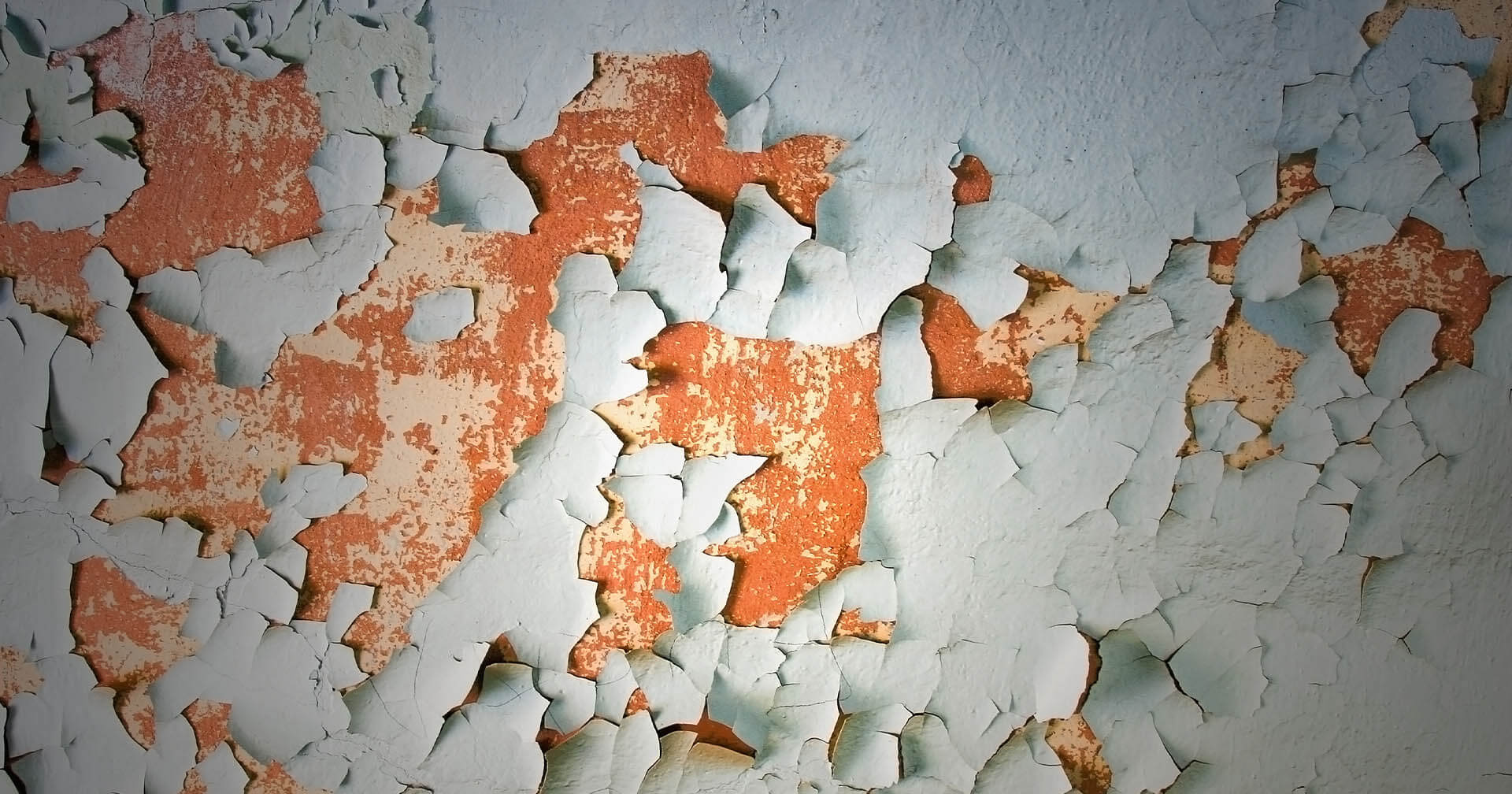
- Peeling or deteriorated lead paint in units with children under six must be corrected promptly using certified contractors and lead-safe work practices.
- Upon tenant turnover, landlords must address lead on door and window friction surfaces and make floors smooth and cleanable under Local Law 123.
📋 Exemptions and Recordkeeping
Owners can apply for Lead-Free or Lead-Safe exemptions if testing shows no lead paint or if all lead surfaces have been abated.
These exemptions can reduce ongoing obligations such as annual notices or visual inspections, but documentation must be maintained and submitted when required.
Good recordkeeping now pays off: HPD may even dismiss certain recordkeeping violations if proper documentation is provided.
📌 Key Takeaways
- 2025 deadlines are over; enforcement is active in 2026. Buildings without complete XRF testing records are considered non-compliant.
- Documentation and lead risk mitigation are just as important as inspection itself.
- Children under six trigger more immediate hazard corrections and stricter remediation timelines.
- Penalties can be steep and enforcement includes audits, violations, and fines for missing records or unmitigated hazards.
Staying ahead in 2026 means not just testing paint once, but managing and documenting lead safety continuously as part of responsible property ownership in New York City.