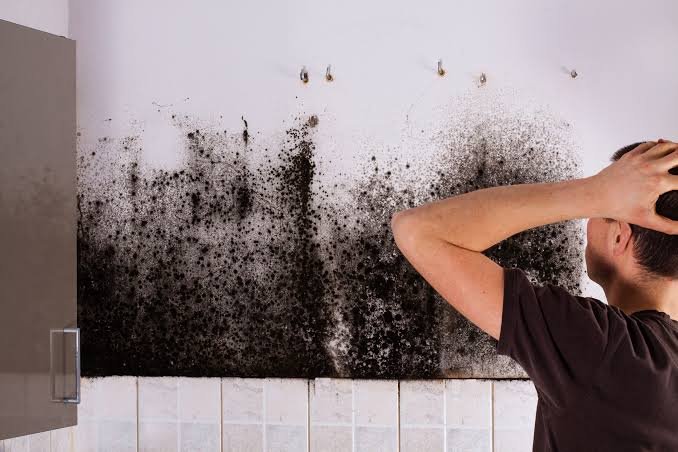
Mold is a common problem in New York City buildings, particularly in older properties, apartment complexes, and buildings with poor ventilation. Mold develops when moisture builds up and remains on surfaces, creating conditions that allow mold spores to grow. If left untreated, it can damage building materials, create unpleasant odors, and potentially affect the health of occupants.
Understanding the most common causes of mold can help property owners and managers prevent problems before they become serious.
1. Water Leaks and Plumbing Problems
Leaking pipes, damaged plumbing fixtures, and faulty connections are among the most common causes of indoor mold. Even small leaks hidden behind walls, ceilings, or under sinks can create enough moisture for mold to develop.
Regular plumbing inspections and immediate leak repairs can help prevent mold growth.
2. Poor Ventilation
Buildings with inadequate ventilation often experience moisture buildup, especially in bathrooms, kitchens, and laundry areas. Without proper airflow, humidity can remain trapped indoors and encourage mold growth.
Installing and maintaining exhaust fans and improving ventilation can help reduce excess moisture.
3. Roof and Window Leaks
Damaged roofs, deteriorating window seals, and poorly maintained exterior walls can allow rainwater to enter a building. NYC properties exposed to heavy rainfall and winter weather may be especially vulnerable to water intrusion.
Property owners should regularly inspect roofs, windows, and exterior walls to identify potential entry points for moisture.
4. Basement and Foundation Moisture
Basements are particularly vulnerable to mold because they often have limited ventilation and are exposed to groundwater and moisture entering through foundation walls. Poor drainage and flooding can make these areas even more susceptible.
Proper waterproofing, drainage improvements, and moisture control can help protect basements from mold problems.
5. High Indoor Humidity and Condensation
Everyday activities such as cooking, showering, and drying clothes release moisture into the air. When indoor humidity becomes too high, condensation can form on windows, walls, and other cold surfaces, creating favorable conditions for mold growth.
Using dehumidifiers and maintaining indoor humidity below 60% can help reduce the risk.
Prevent Mold Before It Becomes a Bigger Problem
Mold problems often begin with small moisture issues that go unnoticed. For NYC property owners and managers, regular building maintenance, timely water damage repairs, and professional mold inspections can help prevent more serious problems.
Environmental Safeguard Solutions helps property owners address environmental concerns through professional inspection services and practical guidance. Identifying moisture problems early is an important step toward maintaining healthier indoor environments and protecting your property.