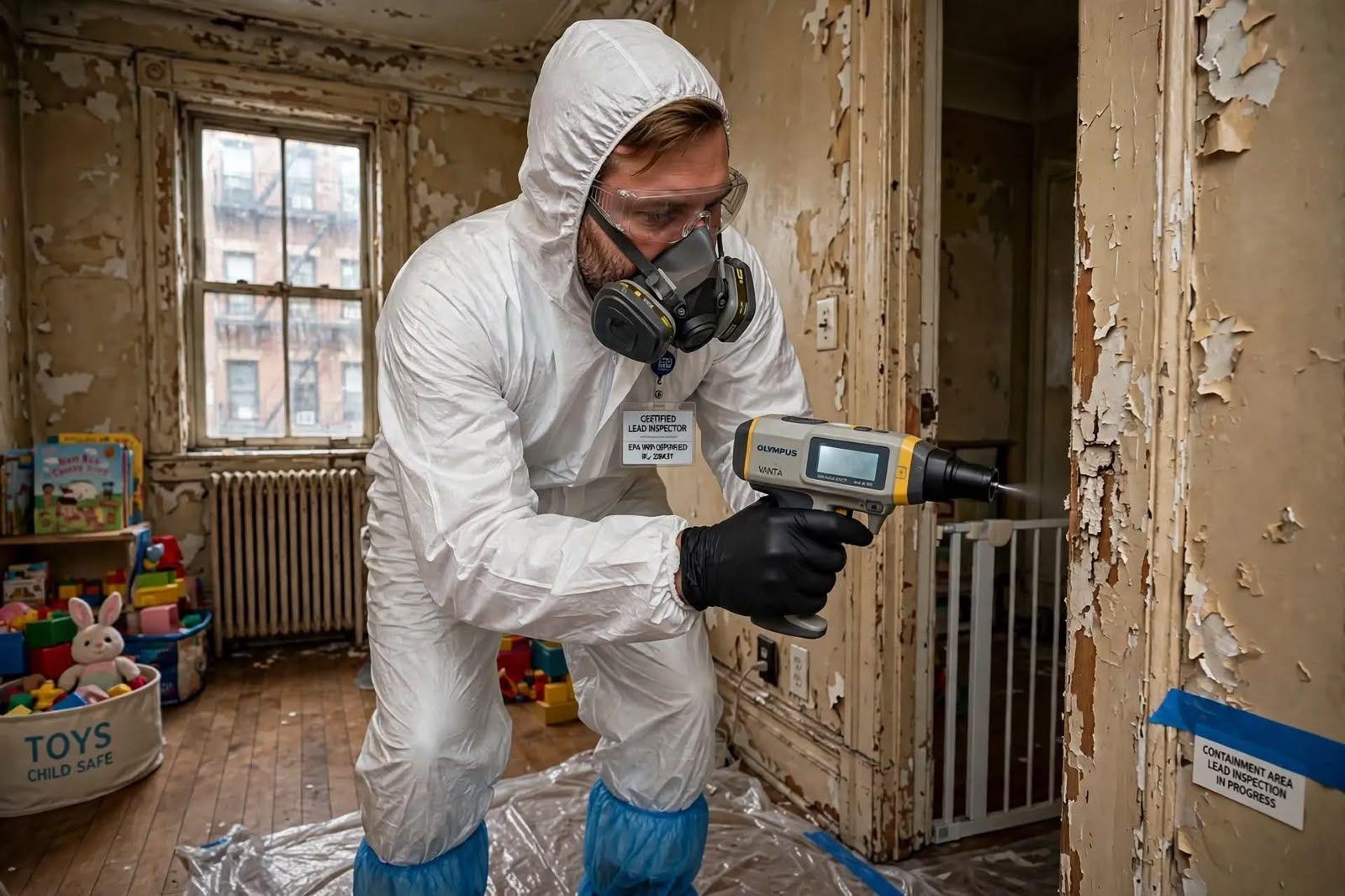
If your home or building contains lead-based paint or other lead hazards, one of the first questions you'll likely ask is: How long does lead abatement take? The answer depends on several factors, including the size of the property, the extent of contamination, and the type of abatement method used.
Typical Lead Abatement Timeline
For most residential properties, lead abatement can take anywhere from one day to several weeks.
- Small projects (such as treating a single room or window frames) may be completed in 1–3 days.
- Medium-sized homes often require 3–7 days.
- Large homes or buildings with extensive lead contamination can take two weeks or longer, especially if multiple surfaces or structural components need to be removed or replaced.
Factors That Affect the Timeline
Several factors influence how long the process takes:
Size of the Property
Larger homes naturally require more time because there are more areas to inspect, prepare, and treat.
Extent of Lead Contamination
If lead hazards are widespread or located in difficult-to-access areas, the project may require additional labor and safety precautions.
Abatement Method
Different techniques have different timelines. Encapsulation (sealing lead paint with a specialized coating) is generally faster, while removing lead-painted materials or replacing windows, doors, or trim takes more time.
Preparation and Cleanup
Before work begins, contractors must seal off the work area to prevent the spread of lead dust. After the project, thorough cleaning and final clearance testing are essential to ensure the property is safe for occupancy.
Can You Stay in Your Home?
In some cases, homeowners can remain in unaffected areas of the home during the project. However, if lead dust could spread throughout the property or young children and pregnant individuals are present, temporary relocation may be recommended for safety.
Why Professional Lead Abatement Matters
Lead abatement isn't just about removing old paint—it's about permanently reducing or eliminating lead hazards while following strict safety regulations. Hiring certified professionals helps ensure the work is completed safely, efficiently, and in compliance with local and federal requirements.
Final Thoughts
While every project is different, most lead abatement jobs are completed within a few days to a couple of weeks. The exact timeline depends on the size of the property, the severity of the lead hazards, and the chosen abatement method. A professional inspection is the best way to receive an accurate estimate and develop a safe, effective plan for your property.