Gas piping systems are an important part of many New York City buildings, and regular inspections help identify conditions that could create safety risks. Under Local Law 152, covered buildings are required to have their gas piping systems inspected periodically by a Licensed Master Plumber or a qualified individual working under a Licensed Master Plumber.
During an inspection, professionals examine visually accessible gas piping and conduct a leak survey to identify unsafe or non-compliant conditions. Here are some of the most common problems that may be discovered.
Corrosion and Piping Deterioration
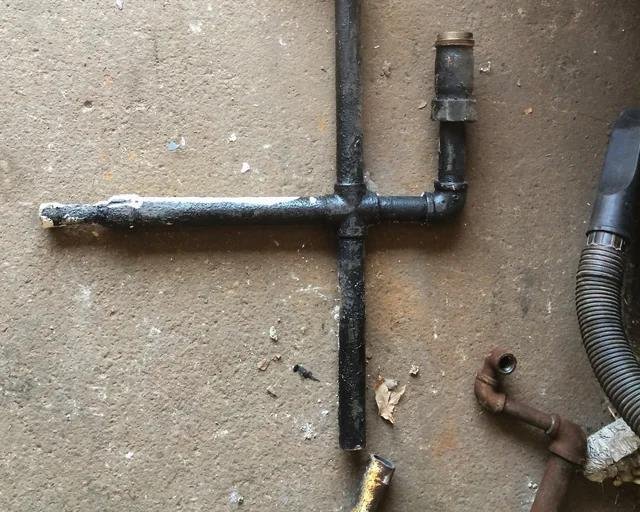
Corrosion is one of the most common concerns with older gas piping. Rust and deterioration can weaken pipes and fittings over time. More serious corrosion may require repairs or replacement to maintain the safety of the gas system.
Gas Leaks
Inspectors use specialized gas detection equipment to identify potential leaks. Even a small leak requires immediate attention because escaping gas can create a serious fire or explosion hazard.
Improper or Illegal Connections
Inspectors may find connections that use improper materials, components, or configurations. Non-compliant connections can create safety concerns and may require corrective work.
Damaged or Unsupported Piping
Gas piping should be properly supported and protected from physical damage. Bent, damaged, loose, or poorly supported pipes can affect the stability and safety of the system.
Missing or Improper Components
Problems with valves, fittings, regulators, vents, or other gas system components may also be identified. Missing or improperly installed components can indicate that repairs or modifications are needed.
What Happens When Problems Are Found?
When an inspection identifies an unsafe or hazardous condition, the building owner must take appropriate action to address the problem. Depending on the severity of the issue, this may involve repairs, replacement of damaged piping, or other corrective measures.
Owners should also remember that completing the inspection is only part of the compliance process. Required documentation and certifications must be completed within the applicable NYC deadlines.
Stay Ahead of Gas Piping Problems
Regular gas piping inspections can help building owners identify leaks, corrosion, deterioration, and other problems before they become more serious. Addressing issues promptly can improve building safety while helping property owners maintain compliance with NYC requirements.
For commercial and residential property owners, keeping gas piping properly inspected and maintained is an important part of responsible building management.