Asbestos and lead are two of the most common hazardous materials found in New York City buildings — especially older properties. While both pose serious health risks, they are governed by different laws, agencies, inspection rules, and abatement requirements. Understanding the difference is critical for NYC property owners to stay compliant and avoid costly violations.
What Is Asbestos?
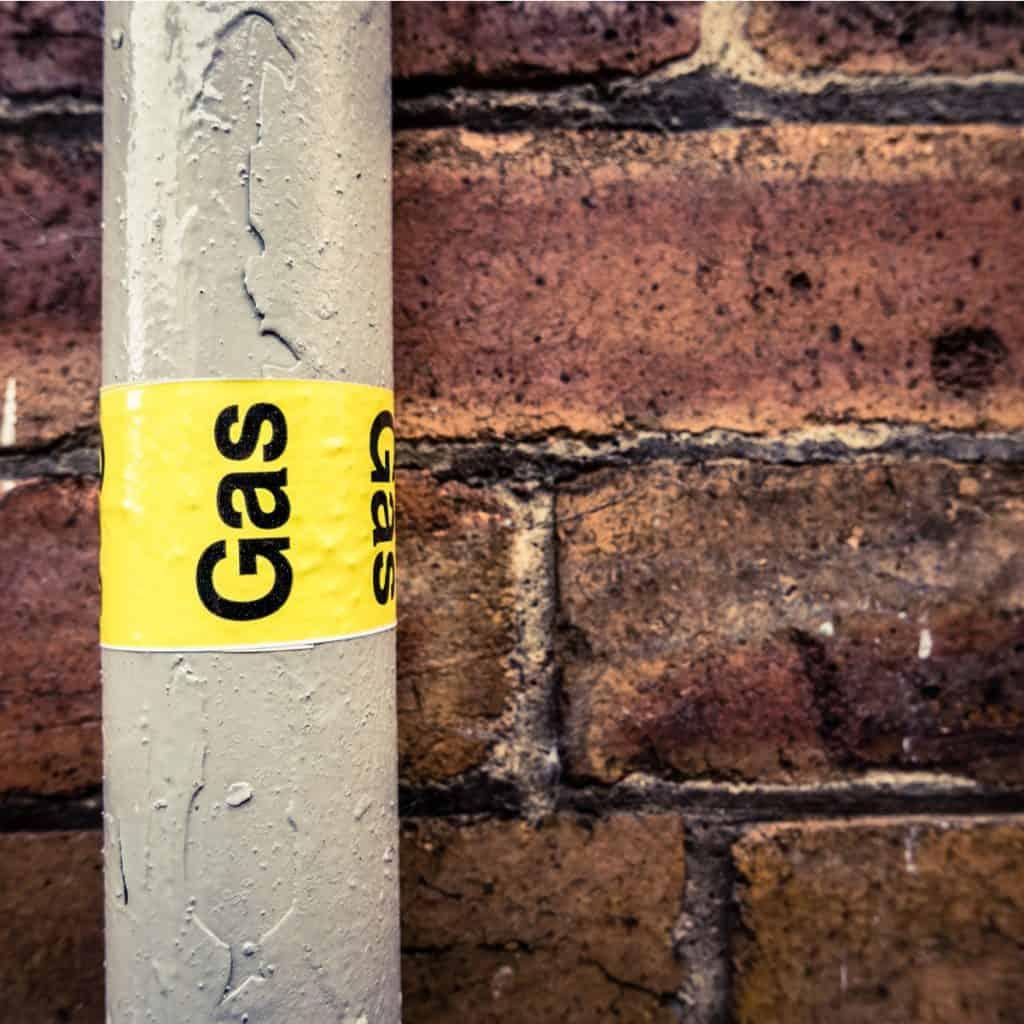
Asbestos is a group of naturally occurring minerals once widely used for fire resistance and insulation. In NYC buildings, asbestos is commonly found in:
- Pipe insulation and boiler coverings
- Floor tiles and mastic
- Roofing materials
- Fireproofing and spray-applied insulation
Asbestos becomes dangerous when materials are disturbed, releasing airborne fibers that can cause serious lung disease.
What Is Lead?
Lead in NYC buildings is most commonly found in lead-based paint, especially in apartments built before 1960. Lead hazards occur when paint:
- Peels, chips, or deteriorates
- Is disturbed during renovations
- Creates lead dust on floors and windowsills
Lead exposure is particularly harmful to children under age 6, which is why NYC enforces strict lead safety laws.
Key Differences Between Asbestos and Lead
1. Laws That Govern Them
- Lead is regulated under Local Law 31 and Local Law 1, enforced primarily by HPD.
- Asbestos is regulated under NYC DEP, NYSDOL, and DOB rules, not Local Law 31.
2. When Inspections Are Required
- Lead inspections (XRF testing) are mandatory in pre-1960 residential units under Local Law 31.
- Asbestos inspections are required before renovation or demolition and when suspect materials may be disturbed.
3. Health Risks
- Lead exposure affects brain development, especially in children.
- Asbestos exposure increases the risk of lung cancer, mesothelioma, and asbestosis.
4. Abatement Requirements
- Lead abatement must be performed by EPA-certified contractors with clearance testing.
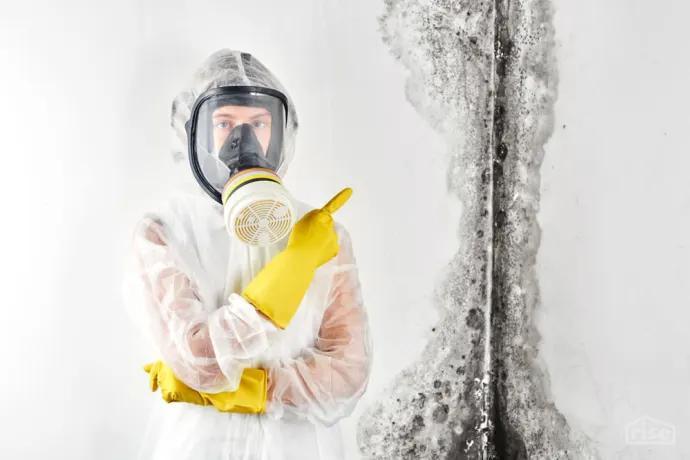
- Asbestos abatement requires licensed asbestos contractors, DEP filings, and strict containment procedures.
5. Enforcement Agencies
- Lead: HPD
- Asbestos: DEP, DOB, NYSDOL
Different agencies mean different violations, penalties, and filing systems.
Why NYC Owners Must Understand Both
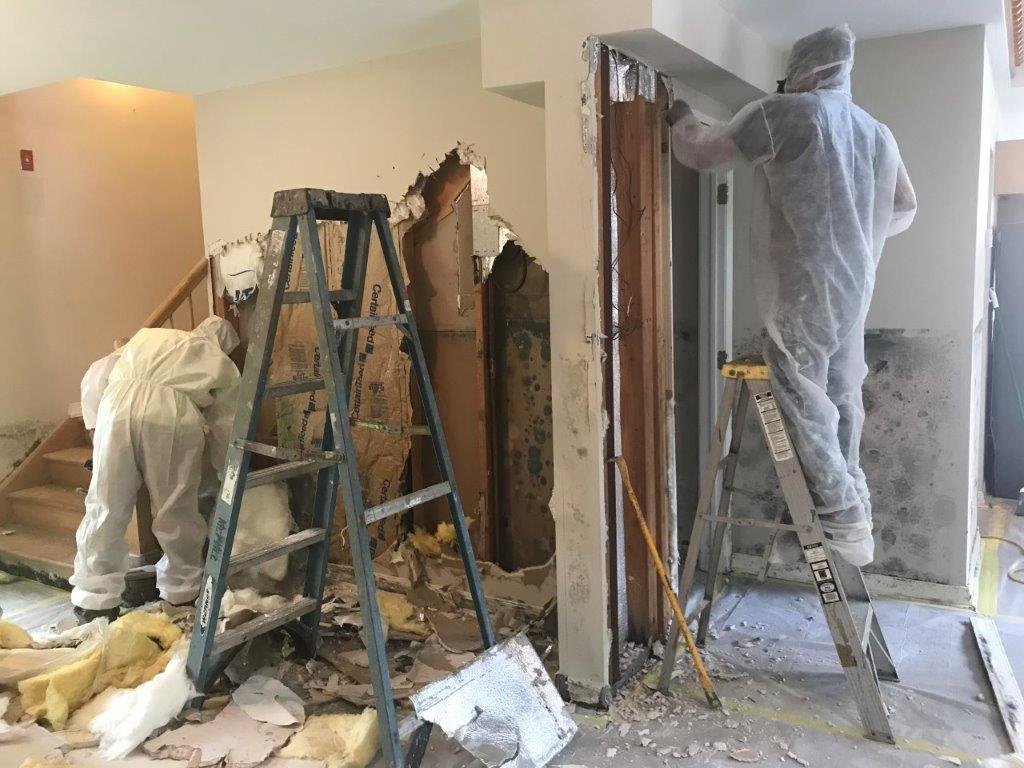
Many NYC buildings contain both lead paint and asbestos, especially pre-war properties. During renovations:
- Lead hazards may trigger HPD violations
- Asbestos may trigger DEP filings and stop work orders
Failing to address either can halt projects, increase costs, and expose owners to liability.
Final Thoughts
Lead and asbestos are both serious hazards — but they are not regulated the same way. NYC property owners who understand the differences can plan inspections properly, hire the right professionals, and avoid costly violations and project delays.