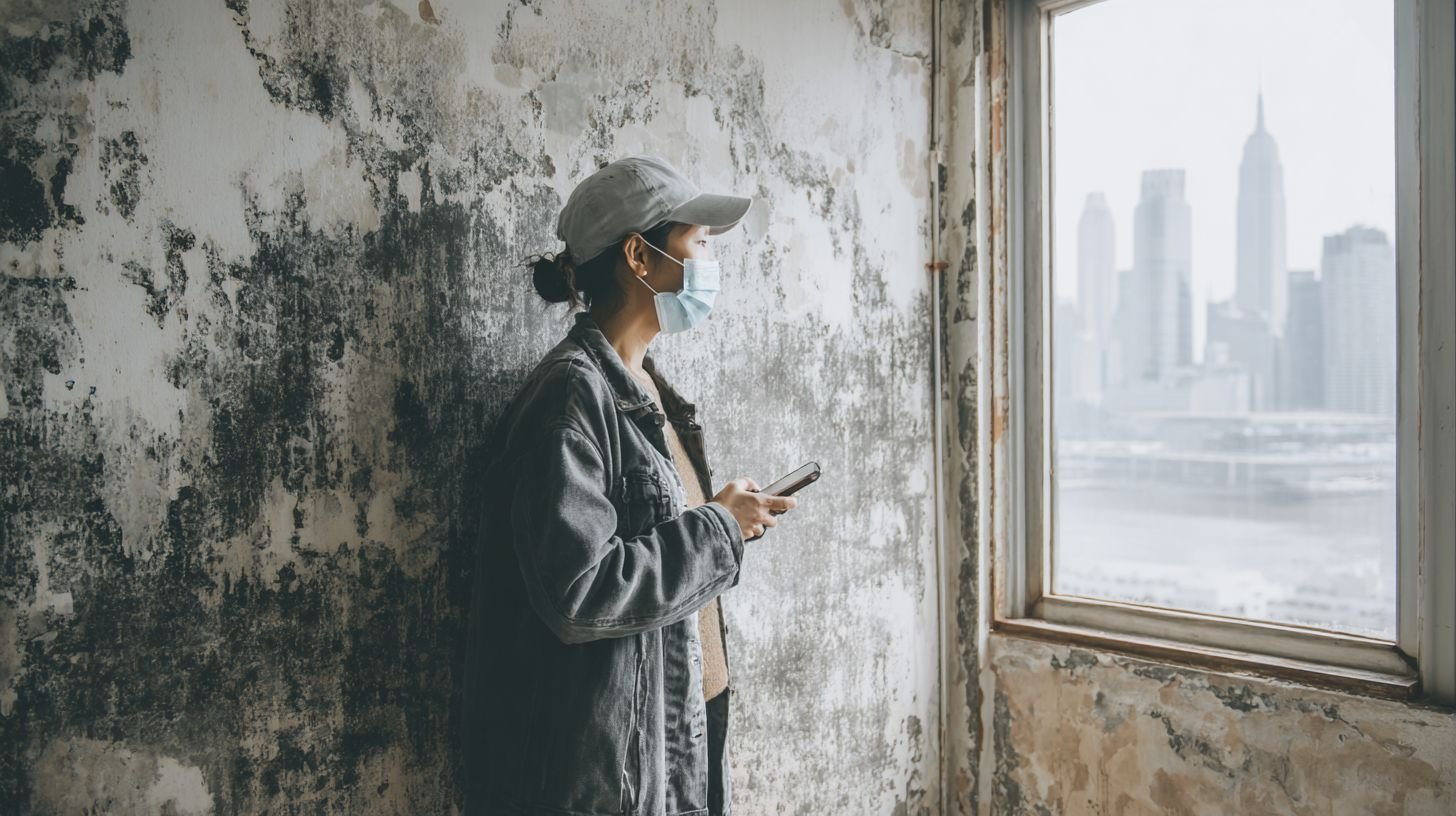
Mold is a common issue in New York City, especially in buildings with leaks, poor ventilation, or water damage. When landlords fail to address the problem, many tenants turn to 311 to file a complaint. But does reporting mold actually make a difference?
The answer is yes—filing a 311 complaint can be an important first step. When a complaint is submitted, the NYC Department of Housing Preservation and Development (HPD) may inspect the property if the issue falls under its jurisdiction. If inspectors confirm hazardous mold conditions or the moisture problem causing the mold, the landlord may be ordered to make repairs and bring the property into compliance with the city's housing regulations.
A 311 complaint also creates an official record of the issue, which can be valuable if the problem continues or if additional legal or housing actions become necessary. However, reporting alone does not guarantee an immediate resolution. Inspection timelines, the severity of the issue, and the landlord's response all play a role in how quickly the problem is addressed.
To improve the chances of a successful outcome, tenants should document visible mold, report leaks promptly, keep copies of all communications with their landlord, and follow up if repairs are delayed.
While a 311 complaint is not a complete solution, it is often an effective way to initiate enforcement, encourage timely repairs, and help ensure healthier living conditions for NYC residents.